Topics
Search
Enter at least 3 characters
Explains car lease structures, costs, and end-of-term choices.
Updated daily · 16 stories
By Auto Financing Editorial Team · 9 min read
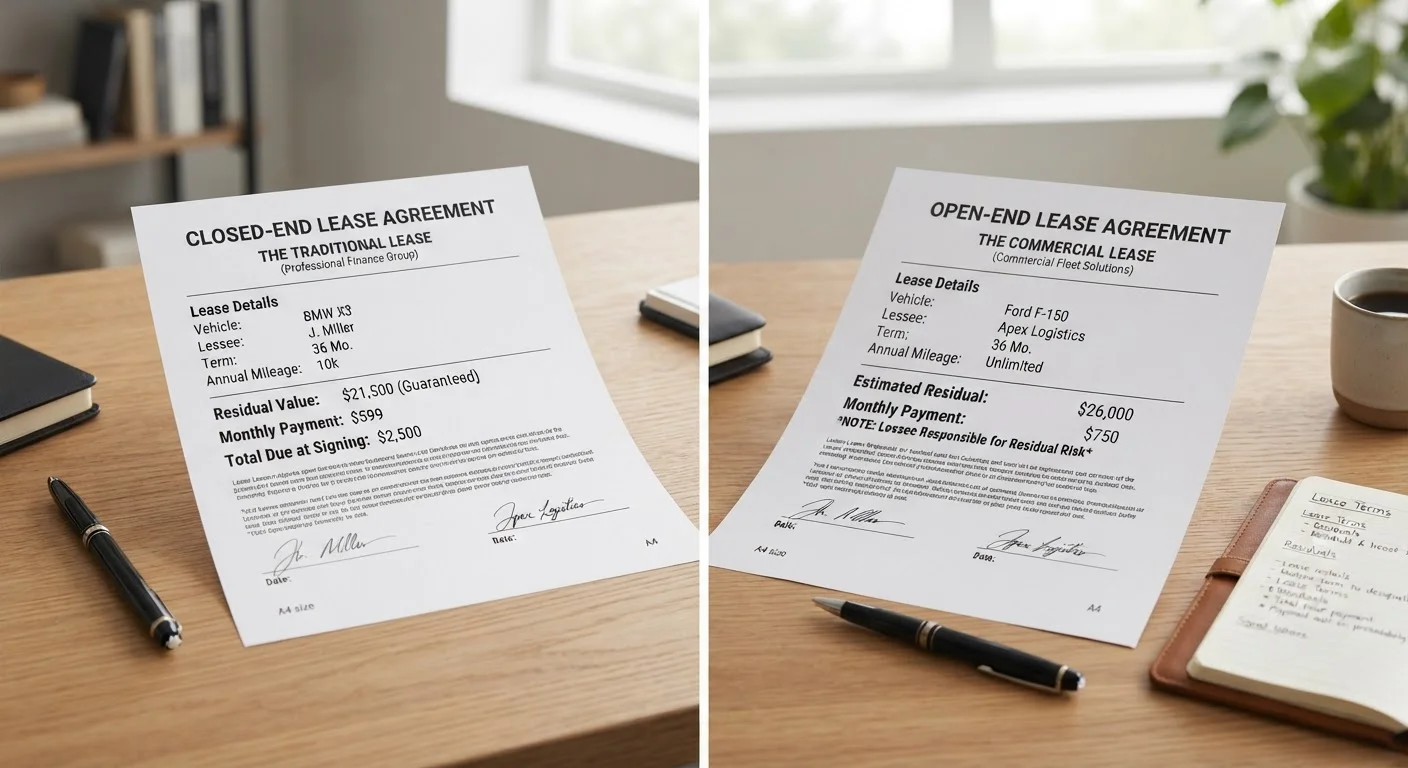
Most consumer car leases are closed-end, but open-end leases exist too. Learn what each structure means and who they sui…
From 'leasing always costs more' to 'you can't negotiate', common lease beliefs often don't hold up to scrutiny. Here's …
Understand every charge that makes up a monthly lease payment, from depreciation fees to taxes and acquisition costs.…
If your leased car is totalled, gap coverage bridges the difference between the insurance payout and what you owe. Here'…
A concise reference for lease terminology — from acquisition fee and cap cost to wear-and-tear standards and disposition…
A practical checklist of figures, terms, and disclosures to review in any lease agreement before you put pen to paper.…
Compare the real costs of leasing and financing a car, from monthly payments to long-term ownership value and flexibilit…
Lease mileage caps aren't just fine print. Learn how overage charges work and how to choose the right limit upfront.…
Money factor is how interest is expressed in a car lease. Here's what it is, how to convert it to an APR, and why it mat…
Capitalized cost and money factor are often negotiable — but residual value usually isn't. Learn what levers you can rea…
Residual value quietly determines your monthly lease payment. Learn what it means, how it's set, and why it matters.…
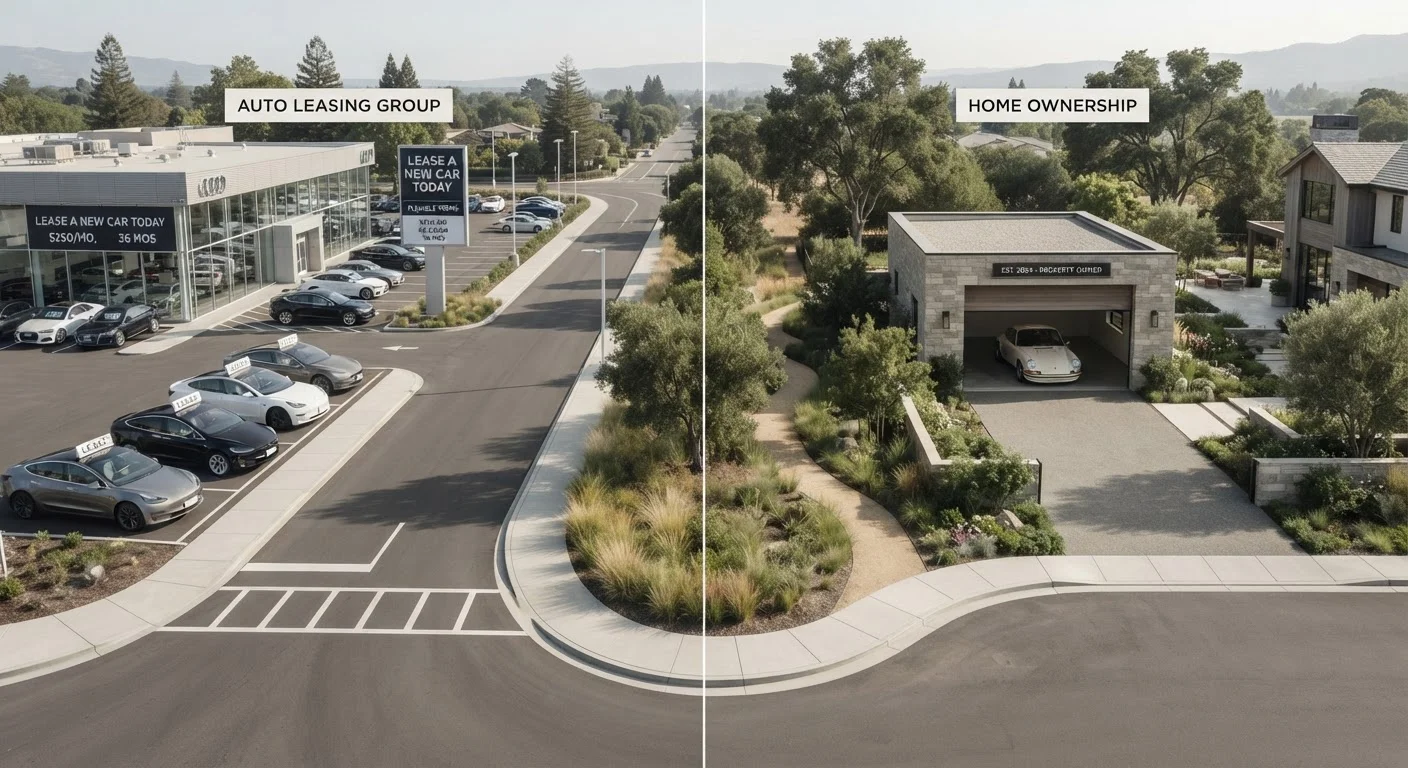
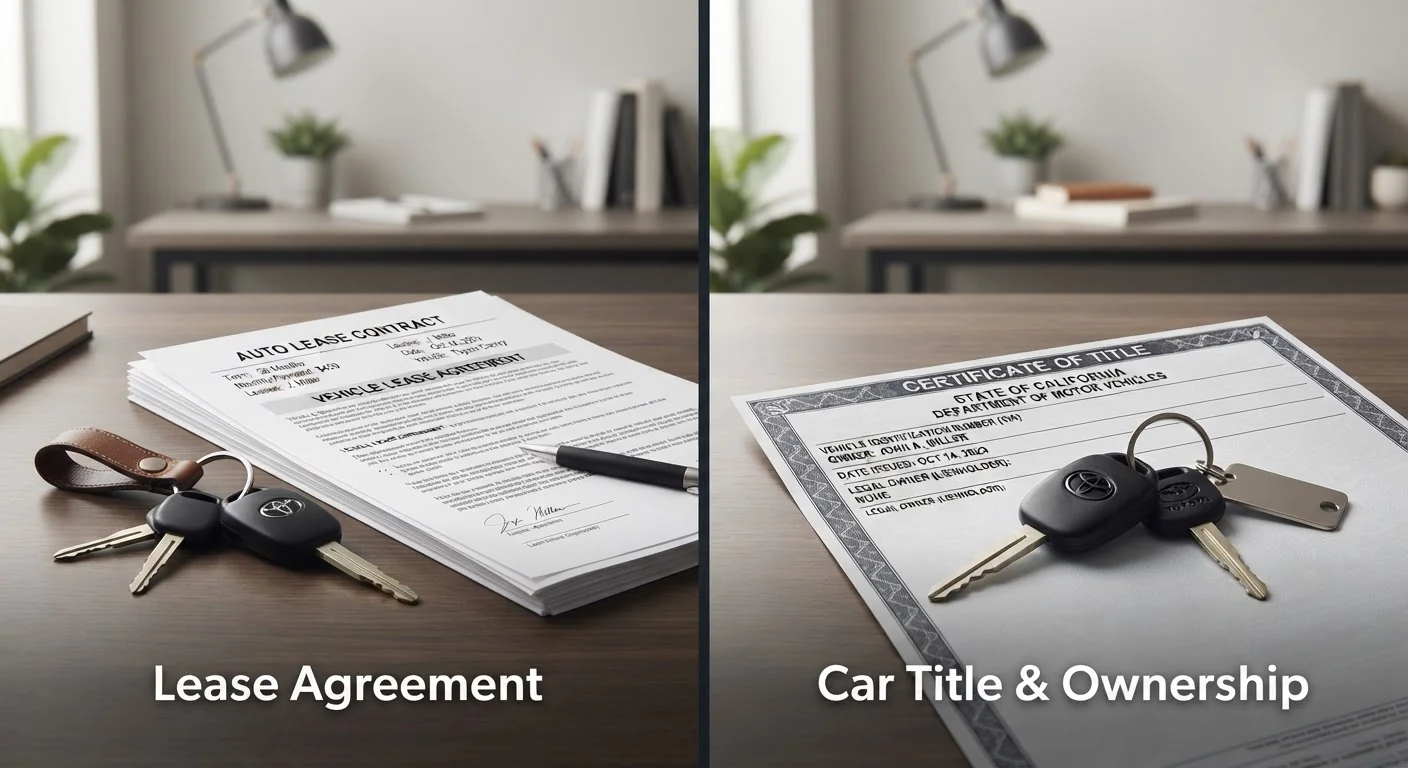
Leasing offers flexibility; ownership builds equity. Weigh the practical trade-offs to understand which fits your situat…
Lessors distinguish normal wear from excessive damage at return. Know what's typically accepted and what may trigger a c…
Low monthly payments can mask fees, unfavourable money factors, and down payments. Learn where extra costs tend to hide …
Return, buy, or roll into a new lease — each path at lease-end has real financial trade-offs worth weighing before the t…