Why a Gap Exists on a Leased Vehicle
To understand gap coverage, it helps to understand why the gap exists in the first place. When you lease a vehicle, your monthly payments are structured around the car's projected depreciation - not its full purchase price. From the moment you drive off the lot, the vehicle's market value begins falling, often sharply in the first year.
At the same time, your remaining lease balance decreases more slowly, because each payment covers depreciation plus a finance charge (sometimes called the money factor). Early in a lease, the vehicle's Actual Cash Value (ACV) - what an insurer would pay if the car were totalled - can be thousands of dollars less than what you still owe under the lease contract.
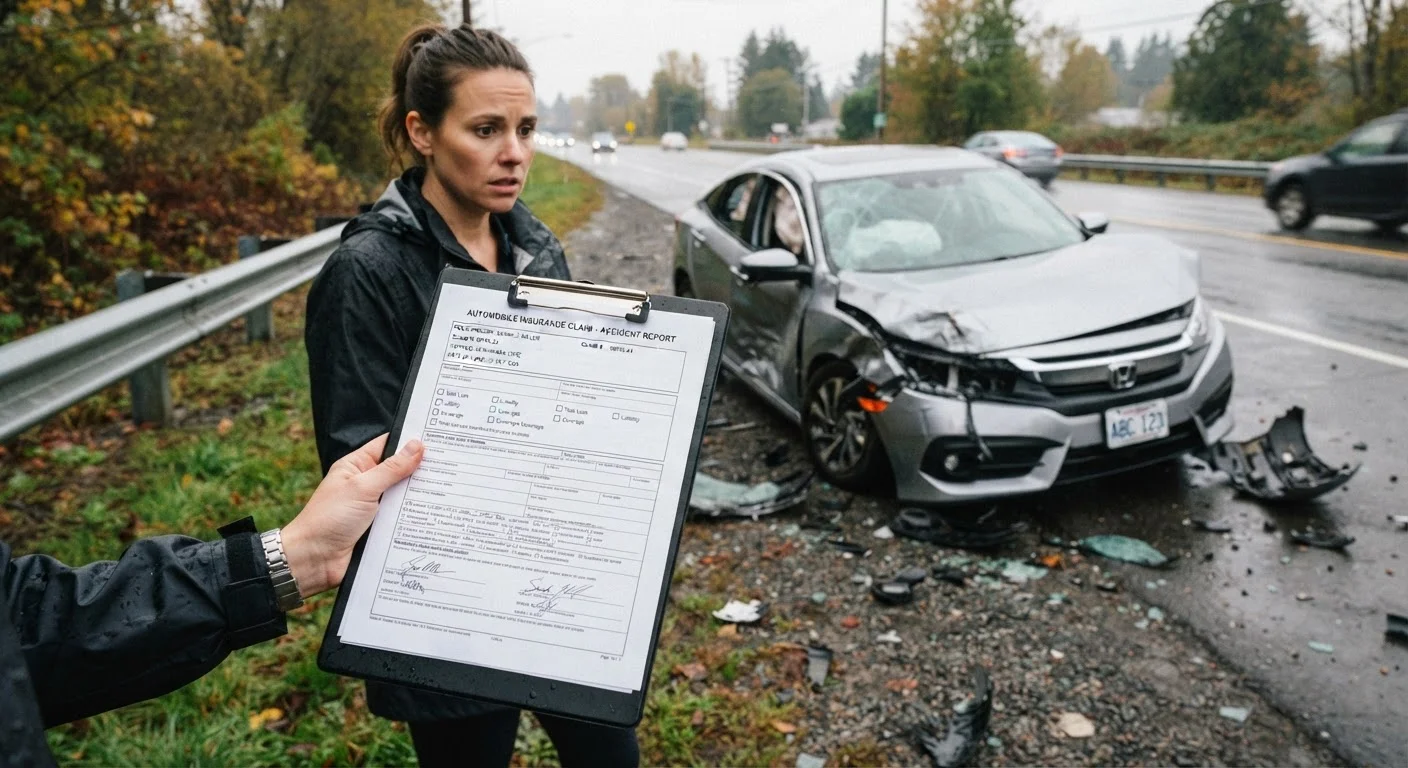
That difference is the "gap." Without coverage, you'd be responsible for paying it out of your own pocket - even though you no longer have the car.
For a broader look at how lease payment math works, see our lease structure explainer.
Where Gap Coverage Comes From
There are two primary sources of gap coverage for lessees, and knowing the difference matters before you sign anything.
Built Into the Lease
Many leases written through manufacturer-affiliated lenders - commonly called captive finance companies - include gap coverage as a standard feature. This means no separate purchase is required. The protection is built into the lease agreement itself, and you should see it referenced in the contract language.
Purchased Separately
If your lease does not include gap coverage, or if you are leasing through a third-party lender, you have two options: purchase it through the dealership's finance office, or add it to your existing auto insurance policy. Many insurers offer a comparable product, sometimes called loan/lease payoff coverage, which can be added for a modest premium increase.
Before paying for gap coverage through the dealership, verify that your lease doesn't already include it. Paying twice for the same protection is an avoidable cost. For more on evaluating optional add-ons at signing, see our overview on add-ons and extras.
Check Your Lease Before Buying Extra Coverage
Before purchasing gap coverage at the dealership's F&I office, ask the finance manager to point out where gap protection appears in the lease contract itself. Captive lenders frequently include it as standard. Confirming this takes two minutes and can save you from paying for a duplicate policy.
What Gap Coverage Pays - and What It Doesn't
Gap coverage has a specific and limited scope. Understanding its boundaries helps you set accurate expectations.
What It Covers
- The difference between the insurer's ACV payout and the remaining lease payoff balance after a total loss or theft
- The shortfall across the full lease term, not just the early months
What It Does Not Cover
- Your collision or comprehensive deductible - that comes out of your pocket first
- Overdue or skipped lease payments that have accrued
- Fees rolled into the lease from a prior vehicle (negative equity carry-over)
- Extended warranties or optional protection plans added to the lease balance
This distinction matters because many lessees assume gap coverage is a full safety net. It is more accurately described as a targeted bridge - it covers one specific shortfall, not all remaining financial obligations. For a plain-language explanation of all the terms that shape these calculations, the lease glossary is a useful reference.
~20%
Average new vehicle depreciation in year one
Industry estimates consistently show new vehicles lose roughly 15-25% of their value within the first 12 months, according to general automotive depreciation data.
~50%
Leased vehicles among new car transactions
Leasing has historically represented a significant share of new vehicle transactions in the U.S., making gap coverage a widely relevant consideration for consumers.
When Gap Coverage Is Most - and Least - Valuable
The risk that gap coverage protects against is not uniform throughout the lease. It is highest during the early months, when depreciation is steepest and your balance has barely moved. As the lease approaches its end, the ACV and the payoff balance converge, and the gap - if it still exists - shrinks considerably.
Gap coverage tends to be most valuable when:
- You leased a vehicle with rapid depreciation (common among certain segments)
- You made little or no capitalized cost reduction at signing
- You are in the first 12 to 24 months of a 36- or 48-month lease
It may add less incremental value when:
- You made a substantial upfront payment that reduced your lease balance significantly
- You are in the final year of the lease and the balance is close to the vehicle's market value
Note that a large upfront payment reduces your gap exposure - but it also increases your out-of-pocket loss if the car is totalled, since gap coverage does not reimburse cap cost reductions. This is a trade-off worth discussing with a licensed insurance professional before structuring your lease. For more on how those upfront payments affect your monthly cost, see everything rolled into your lease payment.
This article is for general informational purposes only and does not constitute personalized financial, insurance, or legal advice. Consult a licensed insurance professional or financial adviser regarding your specific situation.