Why the Wear-and-Tear Standard Exists
When you lease a vehicle, you are paying to use it for a defined period - not to own it. At the end of the term, the lessor takes the car back and resells or auctions it. The vehicle's resale value is built into the lease pricing from the start, specifically into a figure called the residual value. If the car comes back in worse condition than the residual assumed, the lessor recovers that lost value through wear-and-tear charges.
This is why the standard is financial, not cosmetic. The lessor is not penalizing you for using the car; it is recouping actual market value lost to damage that a used-car buyer would discount. Understanding this logic helps you evaluate which repairs make financial sense before you return the vehicle. For a broader view of how these costs fit into your overall lease, see how lease payments are structured.
What Typically Qualifies as Normal Wear
Lessors generally accept the following as normal wear - that is, damage they will not charge for:
- Minor surface scratches that do not penetrate the clear coat, typically shorter than two inches
- Small stone chips on the hood or front bumper, often up to a quarter-inch in diameter and limited in number
- Light scuffs on interior trim pieces or door sills from routine entry and exit
- Carpet wear in high-traffic areas such as the driver's floor mat zone
- Wheel curb rash within narrow tolerances specified in the agreement - usually small surface marks without structural damage
These items reflect predictable use and are priced into the depreciation portion of the lease from the outset. Familiarizing yourself with the definitions in your lease agreement - or in a lease terminology reference - removes ambiguity before you reach the return date.
Request the Wear-and-Tear Addendum Early
Your lease contract includes or references a wear-and-tear guide that lists exact size tolerances for dents, scratches, and tires. Request this document at lease signing - not just at return time - so you can track the vehicle's condition against the actual standard throughout the term. Some lessors make it available on their website or customer portal.
What Typically Counts as Excessive
The following categories generate charges at most lessors:
- Dents and dings larger than the lessor's stated diameter (often half an inch) or any dent with paint damage
- Deep scratches and gouges that cut through the paint layer into primer or bare metal
- Cracked, chipped, or broken glass - windshields with chips larger than a quarter-inch or any crack that has spread across the glass
- Torn, burned, or heavily stained upholstery or carpet that cannot be cleaned to a resalable standard
- Tires below the minimum tread depth or mismatched in size or type
- Missing or broken components - floor mats, charging cables, key fobs, or trim pieces not returned with the vehicle
- Structural or mechanical damage from accidents, regardless of repair history
~50%
Leased vehicles returned with chargeable damage
Industry estimates from remarketing data suggest roughly half of off-lease vehicles carry at least one chargeable wear item at inspection.
$500-$1,500+
Typical excess wear bill range
Depending on the number and severity of items, end-of-lease damage invoices commonly fall in this range, though complex cases can exceed it.
Excess mileage charges are separate and stack on top of excess wear charges - they are governed by different contract terms. If your situation involves multiple issues at return, review your end-of-lease options to decide whether buying out the vehicle or rolling into a new lease changes the financial picture.
How to Manage Costs Before Return Day
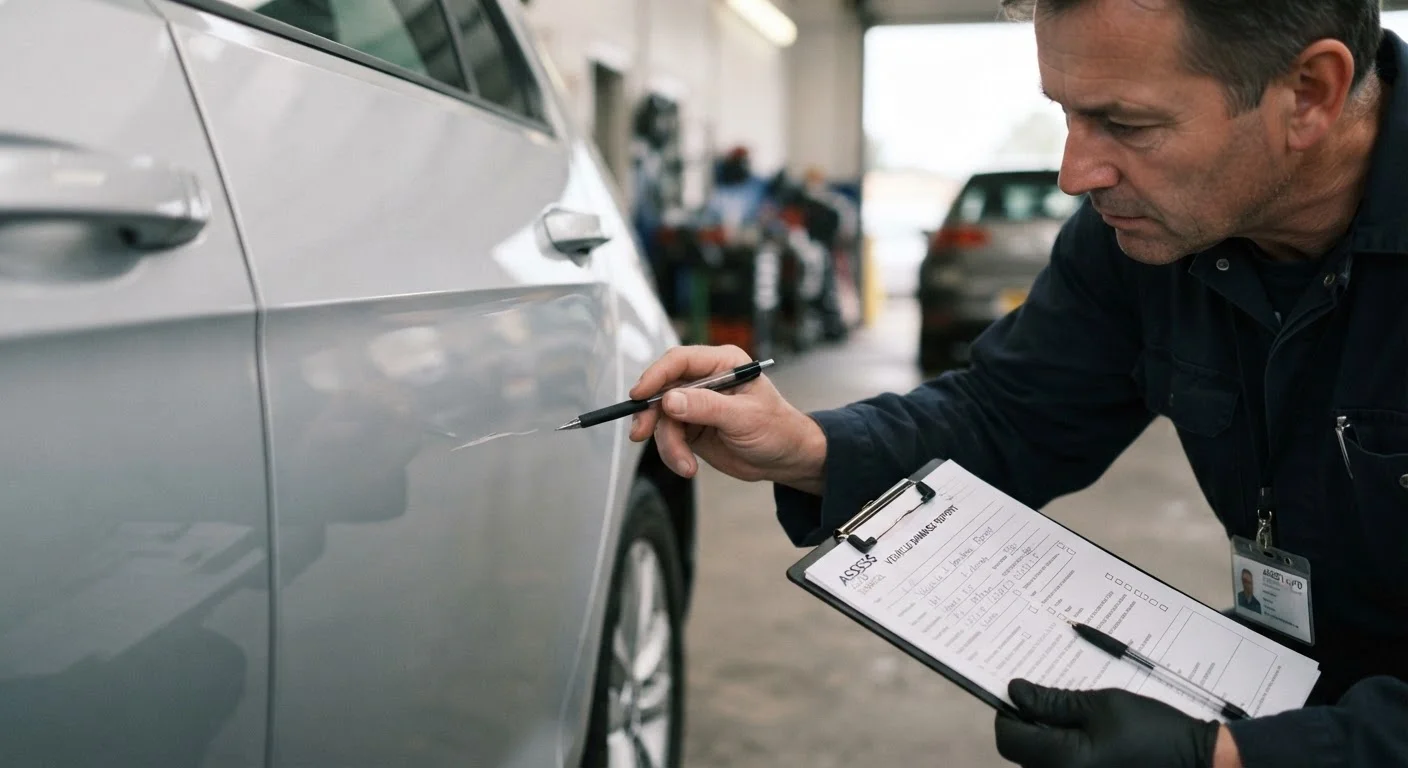
The most effective approach is a pre-return inspection, which most major lessors offer at no charge in the final weeks of the lease. An inspector walks through the vehicle using the same standards applied at official return, giving you an itemized list of potential charges before the clock runs out.
With that list in hand, you have a genuine choice: pay the lessor's per-item charge schedule, or arrange independent repairs. Paintless dent repair technicians, auto glass shops, and detail services often resolve common issues at a lower cost than the lessor's flat-rate charges. Keep receipts and photograph completed repairs so you can demonstrate the work was done.
For items you choose not to repair, understanding the charge schedule in advance lets you budget accurately rather than receiving a surprise invoice weeks after return. Check your original lease agreement for the dispute and appeals process - most lessors provide a window to contest findings from the condition report.
This article provides general educational information about lease return standards and is not a substitute for reviewing your specific lease agreement or consulting a qualified financial or legal professional about your individual circumstances.