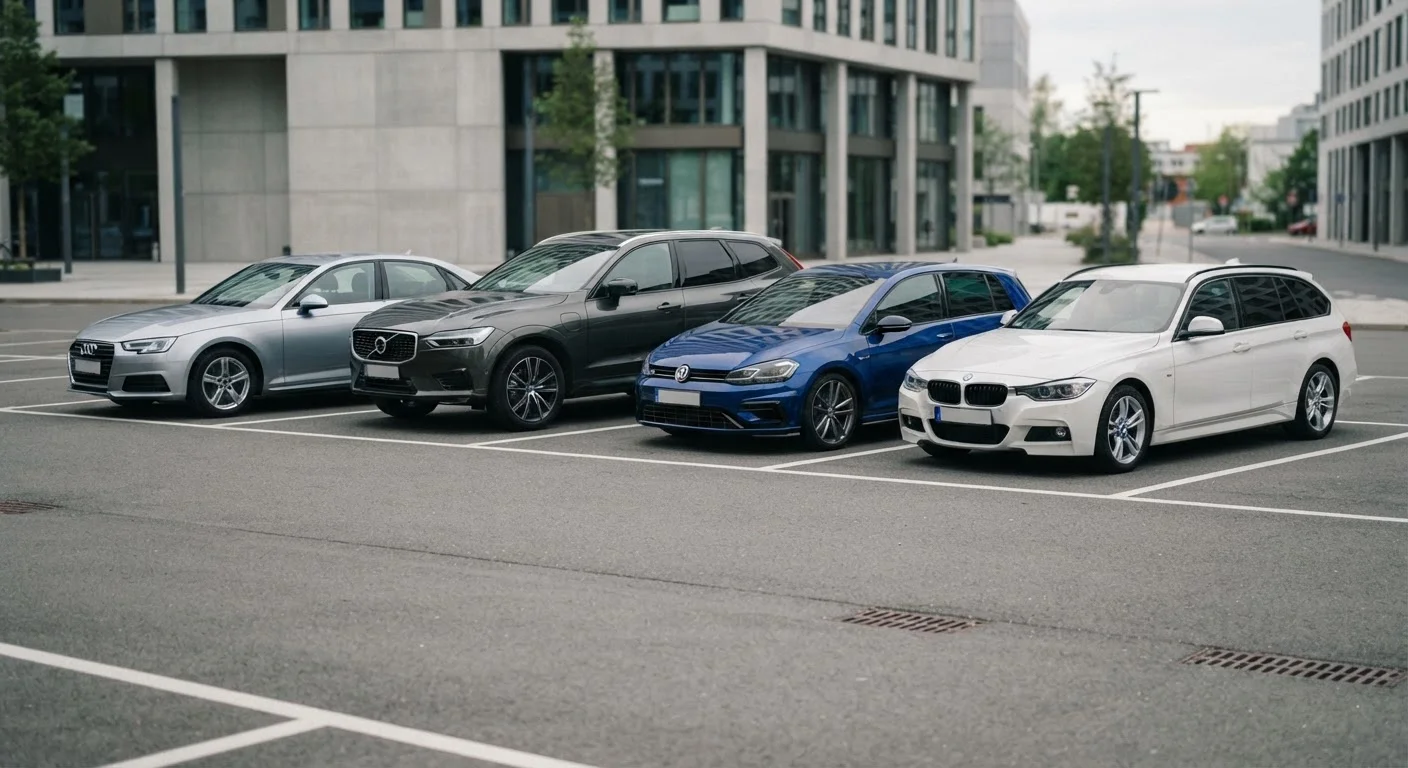
How Body Style Shapes Your Daily Reality
Choosing a vehicle body style is not primarily an aesthetic decision - it is a practical one. The shape of a car determines how much you can carry, how many people ride comfortably, how the vehicle handles, and what it costs to run year after year. Before comparing window sticker prices or trim levels, understanding what each body style is structurally built to do gives you a more useful filter.
The four styles covered here - sedan, SUV, hatchback, and wagon - span most of what mainstream car buyers consider. Each is engineered around a different set of priorities, which means each involves real tradeoffs. The goal is to help you identify which tradeoffs you can live with and which ones you cannot. For a deeper look at how SUV subtypes differ from each other, see what SUV body styles actually mean for daily driving.
Side-by-Side: How Each Body Style Compares
The table below measures each body style against the criteria that matter most to everyday buyers. These reflect general segment characteristics, not any specific model.
| Sedan | SUV | Hatchback | Wagon | |
|---|---|---|---|---|
| Cargo flexibility | Low - fixed trunk only | High - liftgate, foldable seats | Good - liftgate, foldable seats | Very good - long load floor |
| Passenger capacity | 5, limited rear headroom | 5-8 depending on rows | 5, adequate rear room | 5, good rear headroom |
| Fuel efficiency (typical) | Good | Fair to poor | Good to very good | Good |
| Driving dynamics | Refined, balanced | Comfortable, less agile | Nimble, engaging | Composed, car-like |
| Typical purchase price range | Low to mid | Mid to high | Low to mid | Mid |
| Urban usability | Good | Moderate - larger footprint | Very good | Moderate |
| Towing capability | Low | Moderate to high | Low | Low to moderate |
| US market availability | Good | Very wide | Good | Limited |
A few nuances worth noting: SUV cargo figures vary significantly between compact crossovers and full-size models. Wagons are relatively rare in the US market today, which can limit choice even when the format suits a buyer perfectly. For context on how sedans and hatchbacks structurally differ, the distinction goes deeper than the trunk lid.
Cargo and Passenger Space: Where Each Style Wins and Loses
Cargo flexibility is where body styles diverge most sharply. Sedans use a sealed trunk - the load floor is fixed and you cannot extend it by folding seats flat, meaning bulky items often won't fit regardless of total volume. Hatchbacks solve this with a rear liftgate and a folding rear seat, creating a continuous load floor that handles items sedans simply cannot. That structural difference is explained in more detail in our overview of sedan strengths and tradeoffs.
Wagons extend the hatchback concept into a longer body, adding cargo volume without raising the roofline the way an SUV does. This keeps the center of gravity low and preserves a car-like driving feel. SUVs, meanwhile, offer the most raw space - especially in three-row configurations - but that volume comes with a larger footprint, higher fuel consumption, and a taller step-in height that some passengers find less convenient.
Running Costs, Efficiency, and Long-Term Ownership
Body style affects operating costs in two main ways: aerodynamic drag and vehicle weight. Taller, boxier SUV profiles create more wind resistance at highway speeds, which typically translates to lower fuel economy compared to lower-profile sedans, hatchbacks, and wagons of similar engine displacement. Heavier vehicles also wear brakes and tires more quickly over time.
Hatchbacks generally land in a favorable position here. Their compact dimensions keep weight down and aerodynamics reasonable, and their segment tends to include strong hybrid options. If powertrain efficiency is a priority, our practical overview of hybrid powertrains in the sedan and hatchback segment covers how mild hybrid, full hybrid, and plug-in configurations behave differently in real-world use.
Insurance and registration costs also tend to track vehicle value, which means higher-priced SUVs can carry meaningfully higher annual carrying costs beyond fuel alone.
Driving Dynamics and Handling Character
Lower vehicles handle differently from taller ones - this is physics, not marketing. A lower center of gravity reduces body roll in corners and generally sharpens steering response. Sedans and hatchbacks benefit here, as does the wagon, which shares much of the sedan's platform and ride character. For buyers who find driving genuinely engaging, the hatchback segment in particular has a strong tradition of sharp handling in a compact package - explored in detail in our look at the hatchback as a driver's car.
SUVs have improved substantially in handling refinement, particularly unibody crossovers, but physics still limits how agile a taller, heavier vehicle can feel. The tradeoff SUVs make is comfort and commanding driving position in exchange for some dynamic sharpness. Buyers who prioritize ride quality over sporty handling often find this acceptable. For more on how construction type affects SUV behavior, see body-on-frame vs. unibody SUVs.
Matching Body Style to Your Use Case
The most useful buying framework is to start with your actual recurring use, not hypothetical scenarios. Consider these common profiles:
- Daily urban commuter: A hatchback typically offers the best combination of parking ease, fuel efficiency, and practical cargo flexibility for grocery runs and weekend errands. The five-door vs. three-door hatchback question matters here too - rear access frequency should influence that choice.
- Family with young children: An SUV's elevated seating, rear cargo space, and available third row cover most family logistics. Verify actual rear seat legroom and latch anchor placement, which vary more than exterior size suggests.
- Frequent highway commuter: A sedan's aerodynamic efficiency and refined, quiet cabin make long highway runs less tiring and potentially cheaper to fuel.
- Outdoor and recreation-focused buyer: A wagon merits serious evaluation - it can carry bikes, gear, and sporting equipment while maintaining better fuel economy and handling than a full-sized SUV. Check the SUV and truck reviews hub and the sedan and hatchback reviews hub for model-specific context on either side of this decision.