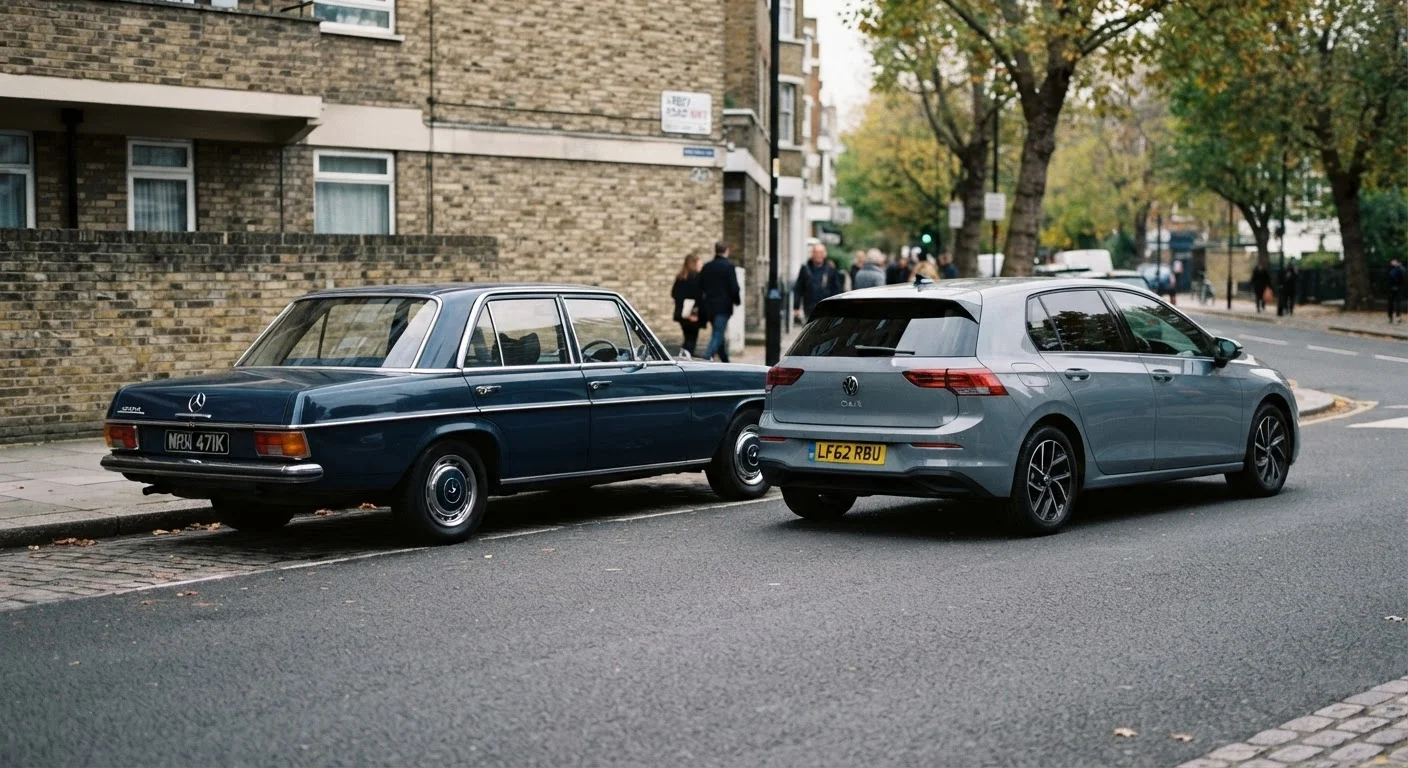
The Structural Difference That Defines Everything
The distinction between a sedan and a hatchback isn't just cosmetic - it's architectural. A sedan is built around a three-box structure: a front hood (engine), a passenger cabin, and a separate trunk compartment. The C-pillar (the rearmost roof support) is fixed, creating a physical boundary between where passengers sit and where cargo lives. The trunk opens via a hinged lid at the rear bumper level, and that opening is typically narrower than the cargo space itself.
A hatchback uses a two-box structure. The roofline extends rearward and then drops sharply, meeting a full-height tailgate that swings up to expose the entire rear of the cabin. There is no structural wall between the passenger area and the cargo bay - they share a continuous interior space. This single design choice cascades into nearly every practical difference between the two body styles.
| Criterion | Sedan | Hatchback |
|---|---|---|
| Body structure | Three-box (hood, cabin, trunk) | Two-box (hood, combined cabin/cargo) |
| Rear access | Trunk lid at bumper level | Full-height rear tailgate |
| Cargo flexibility | Fixed trunk, limited reconfiguration | Foldable rear seats extend load floor |
| Cargo concealment | Fully enclosed trunk | Cargo visible through rear glass |
| Overall length | Longer (trunk adds 150-250mm typically) | More compact footprint |
| Rear headroom | Generally more in mid/full-size models | Can be tighter due to sloping roofline |
| Cabin noise isolation | Better - sealed trunk acts as buffer | More road noise potential at speed |
| Urban maneuverability | Longer rear overhang to manage | Easier to place in tight spaces |
Cargo Space: Volume vs. Versatility
On spec sheets, sedans often list larger trunk volumes than comparable hatchbacks - sometimes by 10-20 liters - because the trunk extends beneath the rear window shelf. However, raw liter figures don't capture the full picture. A sedan's trunk loading lip and narrower opening can make it genuinely difficult to slide in a bicycle wheel, a flat-pack box, or a set of skis.
Hatchbacks compensate with versatility. The tailgate's wide, low opening and the ability to fold the rear seats down - typically in a 60/40 or 40/20/40 split - means the usable cargo floor can nearly double. For a deeper look at how folding configurations affect real-world carrying ability, see our guide on hatchback cargo versatility. Sedans do occasionally offer pass-through ski hatches, but flat-floor load capacity is rarely comparable.
60/40
Standard hatchback rear seat split ratio
Most hatchbacks offer at least a 60/40 split-fold rear seat; many now include a 40/20/40 configuration for added flexibility.
~200mm
Typical length difference on shared platform
Hatchback variants of the same platform are commonly 150-250mm shorter overall than their sedan counterparts, according to manufacturer specification data.
~30%
Cargo volume increase when seats fold
Folding the rear seats in a compact hatchback can increase usable cargo capacity by approximately 30-50%, depending on model configuration.
Passenger Space, Noise, and Interior Experience
Sedans tend to hold a modest advantage in rear passenger headroom, particularly in mid-size and full-size segments, because the roofline doesn't need to drop as steeply over the rear seating area. The fixed C-pillar and sealed trunk also contribute to a quieter cabin at highway speeds - road and wind noise have fewer pathways into the passenger compartment. For buyers who spend long stretches on the highway or prioritize a refined interior feel, this is a tangible benefit worth considering alongside the broader trade-offs sedans carry.
Hatchbacks in the compact segment can feel tighter in the rear because the sloping roofline reduces headroom above the rear outboard seats. That said, newer compact hatchbacks have largely closed the gap through careful packaging. The trade-off is simply that the two-box architecture imposes geometric constraints that engineers can minimize but not fully eliminate.
Dimensions, Driving Dynamics, and Market Context
Hatchbacks are almost always shorter in overall length than their sedan counterparts built on the same platform - typically by 150-250mm. That compression makes a meaningful difference in urban environments where parking space is limited or street widths are narrow. Turning circles are generally comparable between body styles on shared platforms, but the shorter overhang at the rear can aid low-speed maneuverability perception.
From a driving dynamics standpoint, the differences are subtle at normal speeds. However, the hatchback's slightly lower and more concentrated mass - absent a protruding trunk - can contribute to a more responsive feel in spirited driving. What makes hatchbacks engaging driver's cars goes deeper on this topic if you're weighing the chassis character of the segment.
Market preference varies significantly by region. Hatchbacks dominate in Europe and many Asian markets; sedans remain popular in North America and parts of Southeast Asia. Understanding why those preferences formed - from fuel pricing to road infrastructure - provides useful context for why hatchbacks perform differently across markets. If you're still undecided between body styles more broadly, matching body style to your life covers the full landscape including SUVs and wagons.