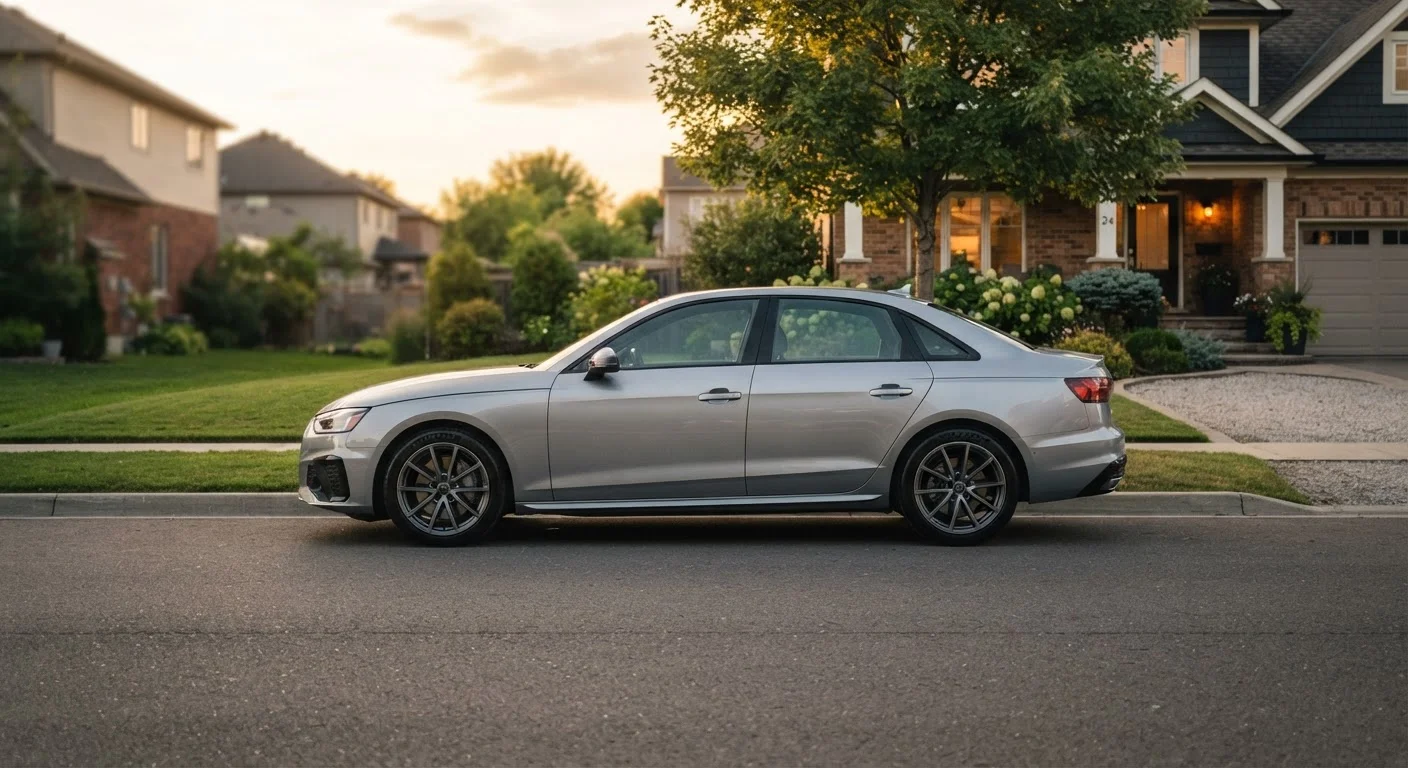
What Makes a Sedan Distinct
A sedan is defined by its three-box body structure: a dedicated engine compartment, a passenger cabin, and a separate enclosed trunk. That physical separation is the source of both its most praised qualities and its most cited limitations. Unlike a hatchback, whose cargo area shares airspace with the cabin, or an SUV, which stacks height for utility, the sedan trades versatility for a more focused, refined package.
Understanding those structural trade-offs before signing anything is exactly the kind of groundwork covered in the Research & Compare hub, which walks through how to evaluate body styles and specs side by side.
Where Sedans Genuinely Deliver
The sedan's advantages are concrete and consistent across the segment.
Quieter cabin due to sealed trunk compartment
The physical separation between the trunk and passenger cabin blocks more noise pathways than open-back body styles. This contributes to lower interior sound levels at highway speeds.
Generally lower purchase price than comparable SUVs
Within the same brand, a sedan typically sits below its SUV counterpart in base price. That gap can be meaningful when comparing total cost of ownership over several years.
Strong aerodynamics support highway fuel efficiency
The lower roofline and streamlined profile reduce aerodynamic drag. Sedans in the compact and mid-size segments frequently return competitive highway fuel economy ratings.
Lower center of gravity improves handling dynamics
The sedan's inherently lower ride height reduces body roll in corners compared to taller crossovers or SUVs. Drivers who prioritize a more connected, responsive feel often prefer it.
Secure trunk deters opportunistic theft
Items stored in a sedan's enclosed trunk are not visible from outside the vehicle, unlike hatchback cargo areas with glass. This provides a modest but real security advantage.
The sealed trunk is the single biggest contributor to cabin noise reduction. Road noise, wind, and exhaust sounds have fewer pathways into the passenger compartment, which is why sedans consistently score well in NVH (noise, vibration, harshness) evaluations. That matters on long highway drives more than on a short test drive around the block.
Aerodynamics also work in the sedan's favor. The sloped roofline and lower overall height reduce drag, which contributes to the segment's typically strong highway fuel economy figures. For buyers logging significant highway miles, that difference compounds across a year of ownership.
Where Sedans Fall Short
No body style is without compromise, and the sedan's weaknesses are worth understanding before committing.
Fixed trunk limits cargo flexibility significantly
Without a fold-flat load area, bulky or irregular items are harder to accommodate. The trunk opening itself is narrower than what a hatchback or wagon tailgate provides.
Rear headroom can be tight for tall passengers
The sloping roofline that aids aerodynamics compresses rear cabin height. Compact sedans in particular can be uncomfortable for passengers approaching or exceeding six feet in height.
No pass-through between cabin and trunk
Most sedans lack a fold-down rear seat passage wide enough for long items like lumber or skis, though some mid-size models offer a small ski pass-through as an exception.
Lower ground clearance limits off-road ability
Sedans sit close to the ground by design. This makes them poorly suited to unpaved roads, deep snow, or any terrain where ride height is a practical consideration.
Perceived as less practical by resale market
Consumer preference in the US has shifted toward SUVs and crossovers, which can affect resale demand for sedans in certain regions and segments - though this varies significantly by model.
The fixed trunk opening is the most frequently cited frustration among sedan owners. Loading bulky or awkwardly shaped cargo - bicycles, flat-pack furniture, sports equipment - requires more effort than it would in a hatchback or wagon with a fold-flat load floor. If that type of hauling is a regular part of your life, the sedan's trunk can feel like a constraint rather than a feature.
Rear headroom is the other persistent issue, especially in compact sedans. The sloping roofline that aids aerodynamics directly compresses vertical space in the rear seat. For a detailed look at how to read those measurements accurately before you visit a dealership, see the guide to reading a sedan's dimensions.
Sedan vs. the Alternatives: Context Matters
Sedans don't exist in isolation - they compete directly with hatchbacks, crossovers, and SUVs for the same buyers. Spec sheets can make those comparisons misleading. Boot volume figures, for example, are sometimes measured differently across body styles, making a direct number-to-number comparison unreliable. The common misreads when comparing sedan and hatchback spec sheets explains which figures to scrutinize and which to treat with skepticism.
3-box
Body structure defining a sedan
Engine bay, passenger cabin, and enclosed trunk are the three distinct compartments that structurally define the sedan body style across all segments.
~15%
Typical price gap below comparable SUVs
Within the same manufacturer's lineup, sedans commonly carry a base MSRP roughly 10-20% below their SUV counterpart at a similar trim level, though this varies by brand and model year.
For a broader framework that maps each body style to specific lifestyle needs, the body style matching guide is a useful next step. And if you're weighing a new sedan against a used one, the new vs. used cars overview addresses the financial trade-offs specific to that decision.
Within the sedan category itself, size matters significantly. The compact sedan segment explained breaks down how compact models differ from mid-size options in terms of interior space, pricing, and target use cases - useful context if you're still narrowing down which sedan size fits your situation.