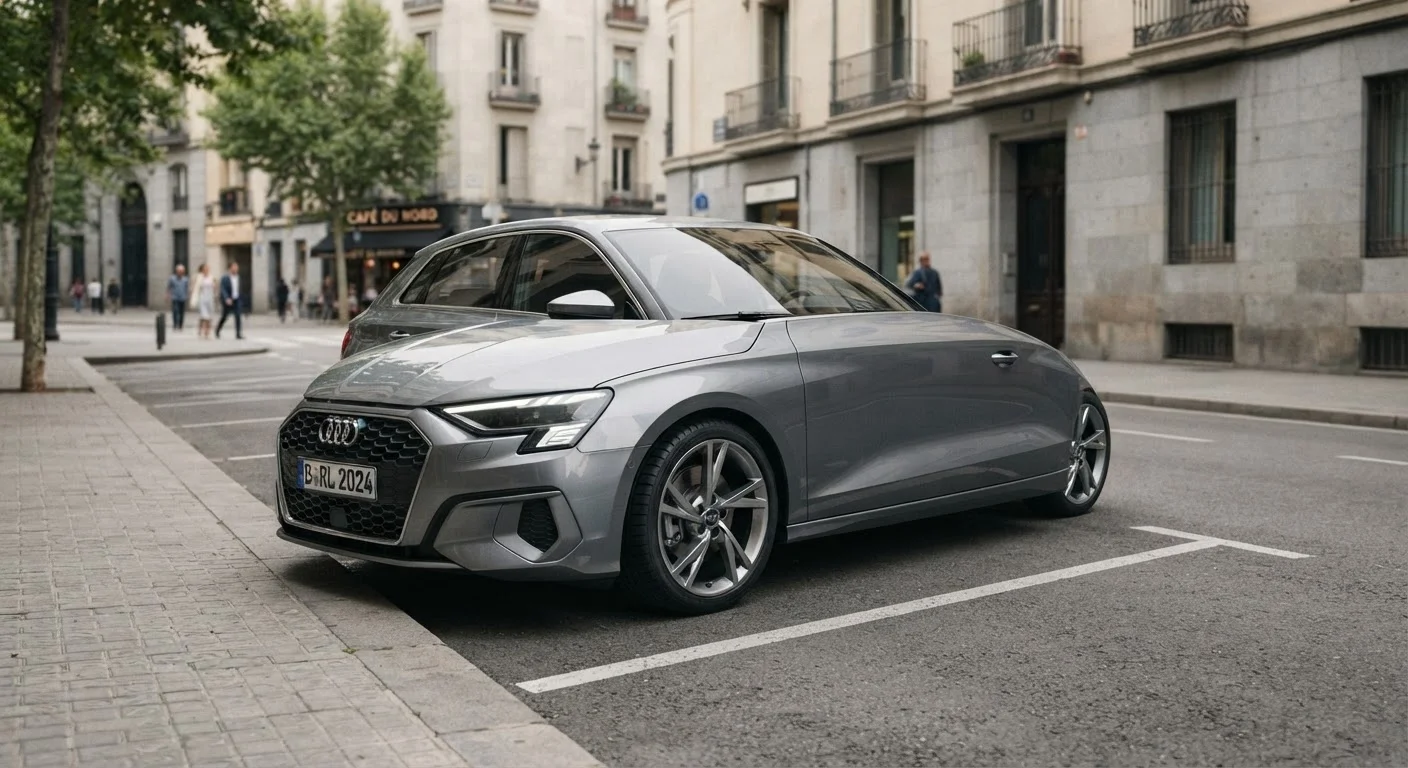
Where the Compact Sedan Fits in the Lineup
Car segments are organized loosely by size, and the compact sedan occupies the tier just above subcompacts - cars like small city-focused models - and just below mid-size sedans that prioritize rear-seat space and refinement. Understanding this hierarchy helps buyers quickly narrow their search without wading through every available model.
Subcompacts typically run under 175 inches in overall length and carry a lower base price, but they ask for compromises in rear-seat room and trunk space. Mid-size sedans, by contrast, can stretch past 192 inches and offer notably more rear legroom - often three or more additional inches - but they cost more to purchase, insure, and fuel. The compact sedan lands in the middle, offering enough interior volume for four adults on everyday trips without the operating costs that come with a larger footprint.
For buyers weighing this segment against a mid-size, our comparison of compact and mid-size trade-offs outlines exactly where the size and cost differences show up in practice.
Defining Characteristics of the Segment
A compact sedan has three defining traits: a three-box body shape (distinct hood, passenger compartment, and trunk), four doors, and an overall length that falls roughly between 177 and 190 inches. Inside, you can expect seating for five, though the center rear position is narrow on most models. Trunk volume generally ranges from 13 to 15 cubic feet - less than a mid-size sedan but sufficient for grocery runs, weekend bags, or a set of golf clubs.
The sealed trunk is one of the segment's functional signatures. Unlike a hatchback's shared cargo and passenger space, a sedan's separate compartment keeps belongings out of sight and reduces road and exhaust noise transmission into the cabin. That acoustic benefit appeals to buyers who prioritize a quieter highway ride.
Buyers comparing body styles should note that hatchbacks offer a meaningful flexibility advantage for bulky or irregularly shaped loads. Hatchbacks also carry distinct dynamic advantages worth understanding before committing to a body style.
177-190 in
Typical compact sedan length range
Based on common US-market compact sedan dimensions across major mainstream nameplates.
13-15 cu ft
Average compact sedan trunk volume
Trunk volumes sourced from manufacturer specifications for widely available compact sedan models.
40-50 mpg
Combined fuel economy, hybrid variants
Reflects EPA-estimated combined fuel economy for hybrid-equipped compact sedan models in the current US market.
Powertrain Options and Efficiency
Compact sedans are available with a broader powertrain menu than they were a decade ago. Turbocharged four-cylinder gasoline engines are now standard across much of the segment, replacing the naturally aspirated four-cylinders that defined it for years. These turbocharged units typically produce between 145 and 200 horsepower while returning 30-38 mpg combined under EPA testing - a meaningful improvement over their predecessors.
Hybrid variants have become increasingly prominent. Full hybrid systems in this segment can achieve 40-50 mpg combined, and plug-in hybrid versions add a battery large enough to cover typical short daily commutes on electricity alone. For buyers whose driving is mainly urban or suburban, the fuel savings over several years of ownership can be substantial. Understanding how mild, full, and plug-in hybrid systems differ is a useful step before choosing a powertrain.
Transmission choices have also narrowed - continuously variable transmissions (CVTs) dominate the segment for their efficiency, though some models retain traditional automatic or dual-clutch units for a more conventional driving feel.
Strengths, Limitations, and Who This Segment Suits
Compact sedans suit buyers who want a straightforward, efficient daily driver without the bulk or cost of a larger car. Parking in tight urban garages is easier than with a mid-size or full-size model. Insurance costs tend to track the lower purchase prices. And the three-box body is aerodynamically stable at highway speeds, contributing to fuel efficiency and ride composure.
The trade-offs are real. Rear passengers in most compact sedans do not have the legroom or headroom of a mid-size. Cargo volume, while functional, won't accommodate large flat-pack furniture or oversized gear. And unlike a hatchback, the trunk opening cannot be expanded by folding rear seats - though most compact sedans do have a pass-through or split-folding rear seat that allows longer items to extend from the trunk.
A closer look at sedan strengths and trade-offs is worth reading before finalizing a body-style decision. When it's time to evaluate specific vehicles in person, a structured test-drive checklist helps ensure you cover the details that matter most to your situation.