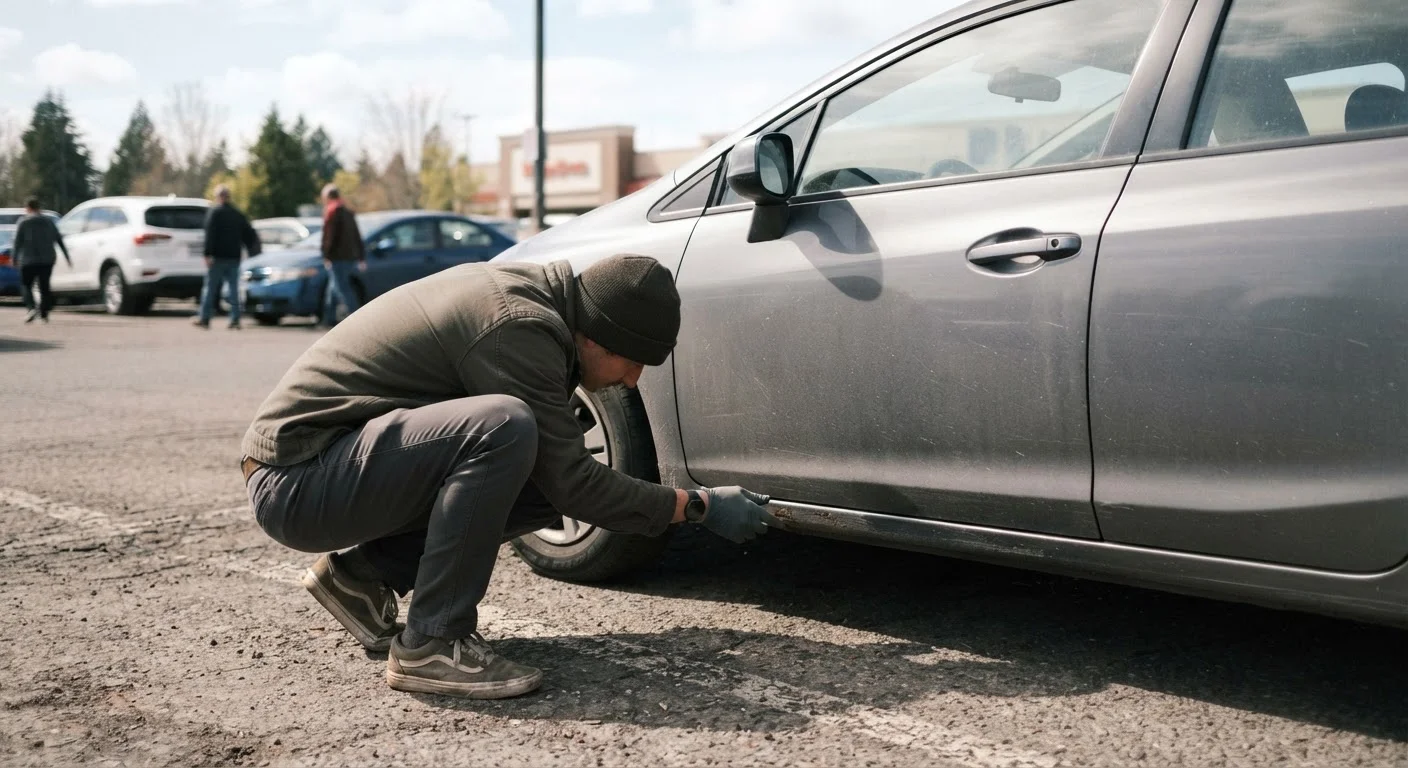
Why a Systematic Inspection Matters
Buying a used car involves accepting some degree of uncertainty - but a disciplined, step-by-step inspection dramatically narrows the unknowns. The checks in this guide are organized into four logical zones: exterior condition, mechanical health, interior function, and documentation. Work through them in order, and you build a clear picture of what the vehicle is actually worth before any money changes hands.
If you're new to evaluating used vehicles, the guide to vetting a used car when you know nothing about engines is a practical starting point. Once you've completed this checklist, the pre-offer deal assessment checklist helps you translate your findings into a negotiating position.
Never Skip the Title and Lien Check
A car with an outstanding loan balance may have a lien attached to its title, meaning the lender - not the seller - has a legal claim to the vehicle. Buying a car with an undisclosed lien can result in the lender repossessing the vehicle even after you've paid the seller. Always verify the title is clean and lien-free through your state's DMV or a vehicle history report before signing anything.
Tools and Resources You'll Need
You don't need a garage full of equipment to run a useful inspection - but a handful of items make the process significantly more reliable. Before you visit any vehicle, pull a vehicle history report using the VIN (Vehicle Identification Number) and review any available service records. The documents to request before buying any used car guide outlines exactly what to ask for.
Vehicle History Report Service
Reveals accident records, title status, odometer readings, and open recalls using the car's VIN.
Flashlight or Inspection Light
Illuminates wheel wells, under the hood, and beneath the car where natural light doesn't reach.
OBD-II Code Reader
Reads any stored diagnostic trouble codes from the car's onboard computer, including codes that don't currently trigger a warning light.
Tire Tread Depth Gauge
Measures remaining tire tread to estimate replacement cost and assess safety.
Licensed Pre-Purchase Inspector (Mechanic)
Provides a professional mechanical assessment of components that are difficult for buyers to evaluate without tools or training.
The Full Inspection Checklist
Use the checklist groups below as a sequential walkthrough. Exterior checks come first because visible damage or mismatched panels can signal hidden structural repairs. Mechanical checks follow, then interior systems, and finally documentation - the layer that confirms the car's legal and financial standing. For a zone-by-zone deep dive, see the bumper-to-bumper used car inspection guide.
Exterior Condition
Under the Hood
Interior and Systems
Test Drive Checks
Documentation and History
After completing these checks yourself, consider commissioning a pre-purchase inspection from a qualified mechanic before handing over a deposit. A licensed technician can assess components - such as brake thickness, suspension wear, and compression - that are difficult to evaluate without specialist tools.
If you're buying privately, the questions outlined in questions worth asking every private used car seller complement these physical checks by surfacing ownership history and motivations that a visual inspection alone cannot reveal.
This article provides general educational information about used car inspection practices. It is not a substitute for professional mechanical assessment or legal advice. Always consult a licensed mechanic and verify all documentation independently before completing any vehicle purchase.