Why a Checklist Changes the Outcome
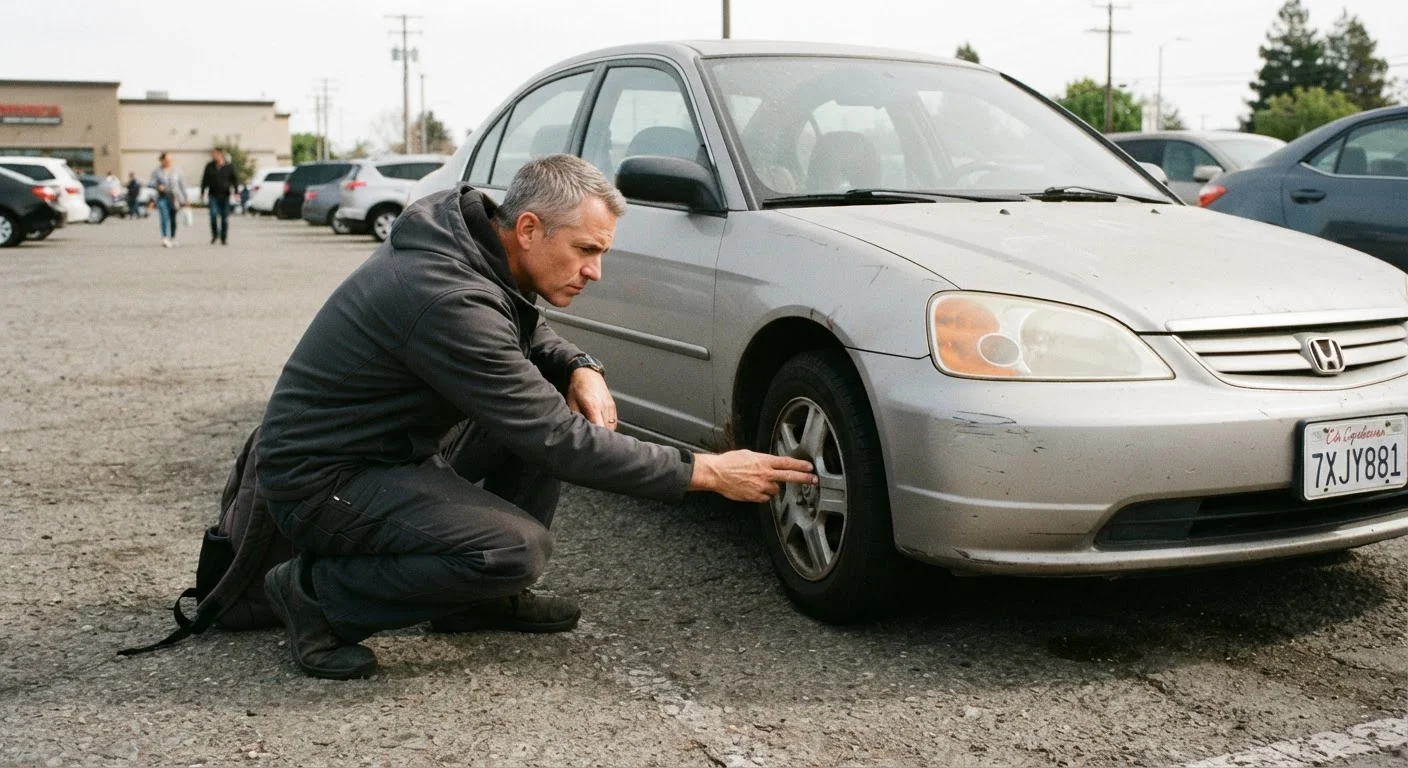
Walking into a used car viewing without a structured plan puts you at a disadvantage. Sellers — private or dealer — are practiced at presenting vehicles favorably, and it's easy to get drawn in by a clean interior or a smooth test drive while missing rust along the rocker panels or a transmission that hesitates under load. A checklist forces systematic attention, slows you down in the right places, and gives you a written record of what you actually observed.
This checklist covers four categories: exterior condition, interior and electronics, mechanical and under-hood checks, and documentation. Work through them in order. If you're not confident diagnosing mechanical issues yourself, use the exterior and documentation sections on your own, then commission a pre-purchase inspection from an independent mechanic for the mechanical portion. That step alone has historically caught problems buyers couldn't detect visually.
For a deeper walkthrough of each physical zone on the vehicle, the bumper-to-bumper inspection guide provides additional context on what specific findings actually mean.
Exterior Condition
Interior and Electronics
Mechanical and Under-Hood
Documentation and History
What to Gather Before You Arrive
Preparation done before the viewing saves time on-site and strengthens your negotiating position. Pull a vehicle history report using the VIN (Vehicle Identification Number), which the seller should provide in advance. Cross-reference the reported mileage against any listings, ads, or prior service records you can find. Check whether the vehicle has any open recalls through the National Highway Traffic Safety Administration (NHTSA) database — a free, publicly accessible resource.
Bring a flashlight, a pen-sized magnet (useful for detecting body filler under paint), and ideally a friend who can operate the car's lights and signals while you walk the exterior. If you're new to evaluating cars mechanically, focus your personal effort on the observable checks and treat the mechanic inspection as non-negotiable rather than optional.
Flashlight
Illuminates the undercarriage, engine bay, and interior corners that are difficult to see in natural light.
Pen magnet
Detects body filler beneath painted panels, revealing repaired collision damage that may not be visible to the eye.
Vehicle history report
Surfaces prior accidents, title brands, odometer discrepancies, and ownership history using the vehicle's VIN.
NHTSA recall lookup
Free federal database that identifies any open safety recalls associated with the vehicle's VIN.
OBD-II code reader
Reads any stored diagnostic trouble codes from the vehicle's computer, flagging mechanical issues that may not yet trigger a warning light.
Independent mechanic
Provides a professional pre-purchase inspection that covers mechanical systems a visual check cannot reliably assess.
After the Inspection: What Comes Next
Once you've completed the checklist, consolidate your notes before leaving the vehicle. Flag any items that require professional evaluation and get written estimates for any repairs the car clearly needs — those figures feed directly into your offer calculation. A car priced at market value with $1,800 in deferred maintenance is not priced at market value for you.
Review all documentation carefully. The full list of documents worth requesting includes title, service records, warranty paperwork, and recall completion notices. Do not proceed without a clean title in the seller's name. If anything in the paperwork is inconsistent — mismatched VINs, gaps in ownership history, odometer readings that don't align — treat it as a serious red flag.
When you're ready to evaluate the deal itself, the pre-offer deal assessment checklist gives you a framework for pricing verification, condition adjustments, and financing review before you commit to anything in writing.
Never Skip a Title Check
A vehicle with a salvage, flood, or rebuilt title carries significantly different risk and resale value than a clean-title car — and that designation is not always disclosed upfront. Before any money changes hands, verify the title status independently through your state's DMV or a vehicle history report. If the seller cannot produce the title at viewing, or if the name on the title does not match the seller, do not proceed until the discrepancy is resolved in writing.
Verbal Assurances Are Not a Guarantee
A seller stating 'the car has never been in an accident' or 'everything was just serviced' is making a claim you cannot verify without documentation and a mechanic's assessment. Base your decision on documented evidence — service records, vehicle history reports, and a third-party inspection — not representations made during a sale. If a seller resists your request for an independent inspection, treat that resistance as informative.