What Each Inspection Actually Involves
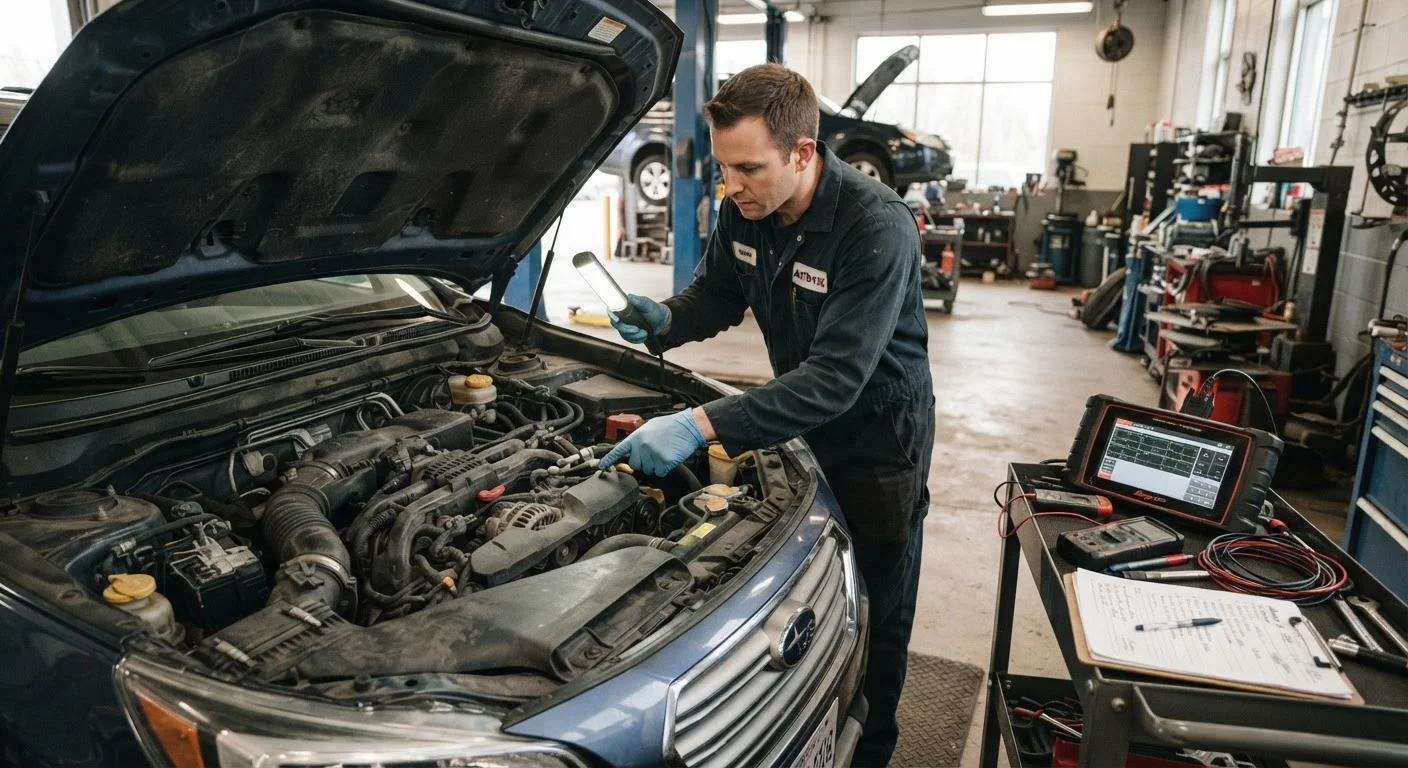
A pre-purchase inspection (PPI) from an independent mechanic is a systematic evaluation of a vehicle's mechanical and structural condition, performed by a technician who has no stake in whether the sale happens. You schedule it yourself, typically at a shop of your choosing, and the mechanic reports findings directly to you. The scope usually covers the engine, transmission, brakes, suspension, steering, exhaust, tires, and a visual check for accident damage or rust. Many shops also run an OBD-II scan to pull any stored diagnostic trouble codes.
A dealership assessment, by contrast, is conducted by the seller or a mechanic on the seller's payroll. This might be a multi-point inspection checklist completed before a used car goes on the lot, or a certified pre-owned (CPO) inspection tied to a manufacturer's program. The scope and honesty of what gets reported vary significantly between dealers and programs. Some provide detailed written reports; others hand you a one-page pass/fail checklist that tells you very little.
See the pre-purchase inspection checklist to understand what a thorough evaluation should cover regardless of who performs it.
The Core Difference: Who the Inspector Answers To
This is the single most important distinction. An independent mechanic is hired by and reports to you. Their professional reputation depends on giving you an accurate picture, not on closing a sale. If they find a cracked subframe or a transmission showing early signs of slippage, they'll tell you — in writing.
A dealership mechanic answers to the dealership. That doesn't automatically mean their findings are dishonest, but it does mean there's a structural conflict of interest. The dealer has a financial incentive for the vehicle to be sold. Even with a well-run CPO program, the inspection is designed to verify the vehicle meets program standards — not necessarily to surface every issue that might give a buyer pause.
| Criterion | Independent Mechanic Inspection | Dealership Assessment |
|---|---|---|
| Who the inspector works for | The buyer | The dealership |
| Objectivity | High — no stake in the sale | Variable — conflict of interest exists |
| Typical cost to buyer | $100–$200 | No direct charge |
| Scope of inspection | Comprehensive, buyer-directed | Varies; often checklist-based |
| Written report provided | Yes, detailed findings | Sometimes; ask explicitly |
| Covers private-party sales | Yes | No |
| OBD-II diagnostic scan | Typically included | Depends on dealer/program |
For more context on how inspection approaches differ depending on the sale type, see private sale vs. dealer purchase vetting.
Cost, Access, and Practical Logistics
Independent inspections typically run between $100 and $200 depending on your region and the shop's rates. Some mobile inspection services exist for buyers who can't easily transport the vehicle. You'll need the seller to agree to allow the car to be taken to a third-party shop — most legitimate private sellers and dealers will accept this. Reluctance to allow an independent inspection is itself a red flag.
Dealership assessments carry no direct cost to you as a buyer, but that's partly because the cost — and its limits — are built into the deal. If you're evaluating a CPO vehicle, request the actual inspection checklist, not just a badge or sticker. Ask specifically what was tested, what was replaced, and what was noted but not addressed.
Pairing either inspection with a vehicle history report (such as one from a government-reported data source) gives you the most complete picture. History reports cover title issues, reported accidents, and odometer readings — things no visual inspection can confirm. To get more out of any mechanic interaction, the guide on getting the most out of a mechanic visit covers the right questions to ask.
CPO Inspections Are Not All Equal
Certified pre-owned programs differ by manufacturer and dealer. Some are backed by the original automaker and require a standardized 150+ point inspection; others are dealer-created programs with far less rigorous standards. Always ask whether the CPO designation is manufacturer-backed or dealer-defined, and request the written inspection report either way.