Why This Channel Is Worth Understanding
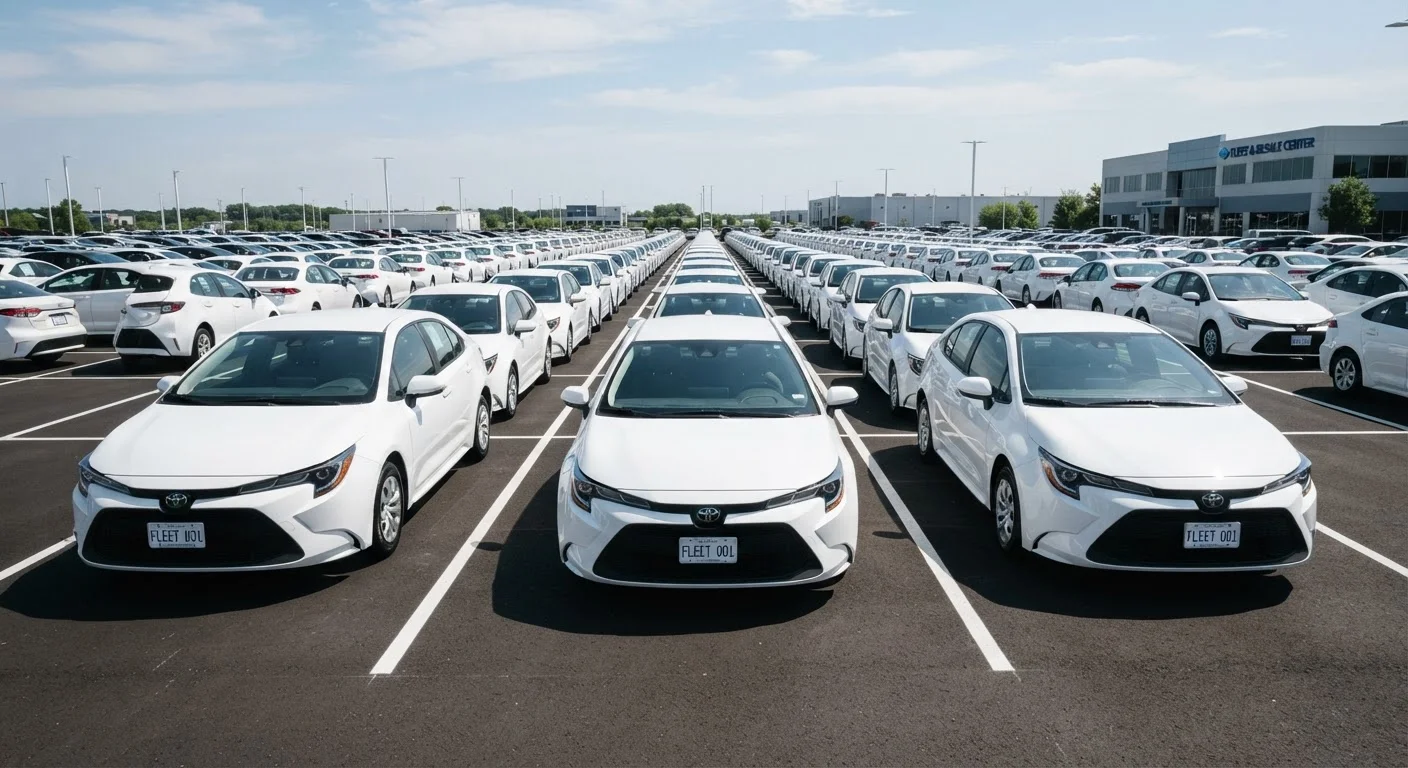
Most used car buyers default to private listings or dealership lots without thinking about where those vehicles originated. Fleet and lease returns represent a structured, high-volume pipeline that quietly feeds a large share of the used car market — and understanding how that pipeline works gives buyers a meaningful edge.
Unlike a private seller whose maintenance records may be incomplete or nonexistent, fleet operators and lessors are contractually required to document service. That paper trail is one of the clearest advantages this sourcing channel offers. For buyers who want predictability, that documentation matters. See our starting-point guide to sourcing used cars for broader context on evaluating the full range of available channels.
~40%
Share of used car supply from off-lease vehicles
Industry analysts have estimated that off-lease returns account for a substantial portion of late-model used vehicle supply, though the exact share fluctuates with new-vehicle sales cycles.
2–4 years
Typical consumer lease term length
Most consumer leases in the U.S. run between 24 and 48 months, bringing vehicles back to market while still relatively new and often within or near their original factory warranty period.
10,000–15,000
Annual mileage cap on most consumer leases
Standard lease agreements set annual mileage allowances in this range, meaning a three-year lease return typically arrives with 30,000–45,000 miles on the odometer.
Fleet Returns vs. Lease Returns: Key Differences
These two categories are often grouped together, but they arrive at market differently and carry different risk profiles.
Fleet Returns
Fleet vehicles are owned by companies, rental agencies, government bodies, or utilities. A municipality's pool of sedans, a construction company's work trucks, or a rental agency's economy cars all qualify. The upside is that many corporate and government fleets follow rigid service schedules, often tracked centrally. The downside, particularly with rental fleets, is driver variability: dozens of different people behind the wheel means more unpredictable interior and mechanical wear.
Lease Returns
Consumer leases are written with mileage caps and return-condition standards, which creates a more controlled wear profile. At lease end, the vehicle undergoes a grounding inspection — the lessor documents any damage that exceeds normal wear. Vehicles that pass that threshold move toward resale, often into manufacturer certified pre-owned programs. This means a lease return has, in most cases, already been evaluated once before it reaches a dealership floor. For a detailed breakdown of what that inspection flags, see what counts as excessive wear at lease return.
What Makes These Vehicles Attractive to Buyers
Several structural features make fleet and lease returns worth considering as part of a disciplined used car search.
- Documented maintenance history: Fleet operators and lessors keep records. Franchise dealers receiving these vehicles can often pull service logs from manufacturer systems.
- Predictable mileage patterns: Many lease returns accumulate miles primarily on highways, which generally produces less engine wear per mile than city stop-and-go driving.
- Late-model availability: Consumer leases run two to four years, so returns are typically recent models with modern safety features and infotainment systems still within or near their initial warranty periods.
- CPO pathway: Manufacturers source the bulk of their certified pre-owned inventory from off-lease units. Buyers who want the added protection of an extended warranty and multi-point inspection benefit from this overlap.
That said, availability and condition vary. These vehicles are not uniformly superior to other used inventory. Common assumptions about used cars can mislead buyers in both directions — including the assumption that any fleet or lease vehicle is automatically a safe choice.
How to Evaluate One Before You Buy
Structural advantages don't replace due diligence. Here is what a careful buyer should confirm on any fleet or lease return.
- Pull the vehicle history report. Confirm the number of previous owners, any reported accidents, and whether the service intervals are consistent with the stated mileage.
- Request the grounding report or inspection records if buying a lease return from a franchise dealer. These documents detail what condition the vehicle was in at return.
- Commission an independent pre-purchase inspection. This is especially important for rental fleet units. A licensed mechanic can identify wear that no report will capture — brake depth, suspension condition, fluid quality.
- Compare the asking price against published market data. A documented service history and CPO status can justify a modest premium, but they don't excuse an inflated price. Use pricing guides to calibrate your expectations before negotiating.
When comparing multiple vehicles side by side, history and condition documentation should weigh heavily in your analysis. Factors buyers commonly miss when comparing used car deals are often the ones that determine long-term value — not just the sticker price.
Request the Grounding Inspection Report
When buying a lease return through a franchise dealer, ask specifically for the vehicle's grounding or turn-in inspection report. This document records the condition of the vehicle at the moment it was returned by the lessee, including any noted damage or wear items. Not all dealers volunteer this — ask for it directly.
How Fleet and Lease Returns Compare to Other Channels
Every sourcing channel involves trade-offs. Fleet and lease returns sit in a middle ground: more documentation and structure than a private sale, but less price flexibility than a wholesale auction. Auto auctions can surface lower prices, but they also come with restricted inspection windows and no recourse after purchase. Fleet and lease returns, particularly those moving through CPO programs, offer a more buyer-friendly environment — at the cost of some pricing efficiency.
For buyers who prioritize documentation, late-model vehicles, and access to warranty coverage, this channel deserves a prominent place in any used car search strategy. The key is knowing what questions to ask and resisting the assumption that the channel's structural advantages eliminate the need for independent verification.
This article is for general informational purposes only and does not constitute financial, legal, or mechanical advice. Consult a qualified mechanic or financial professional for guidance specific to your situation.