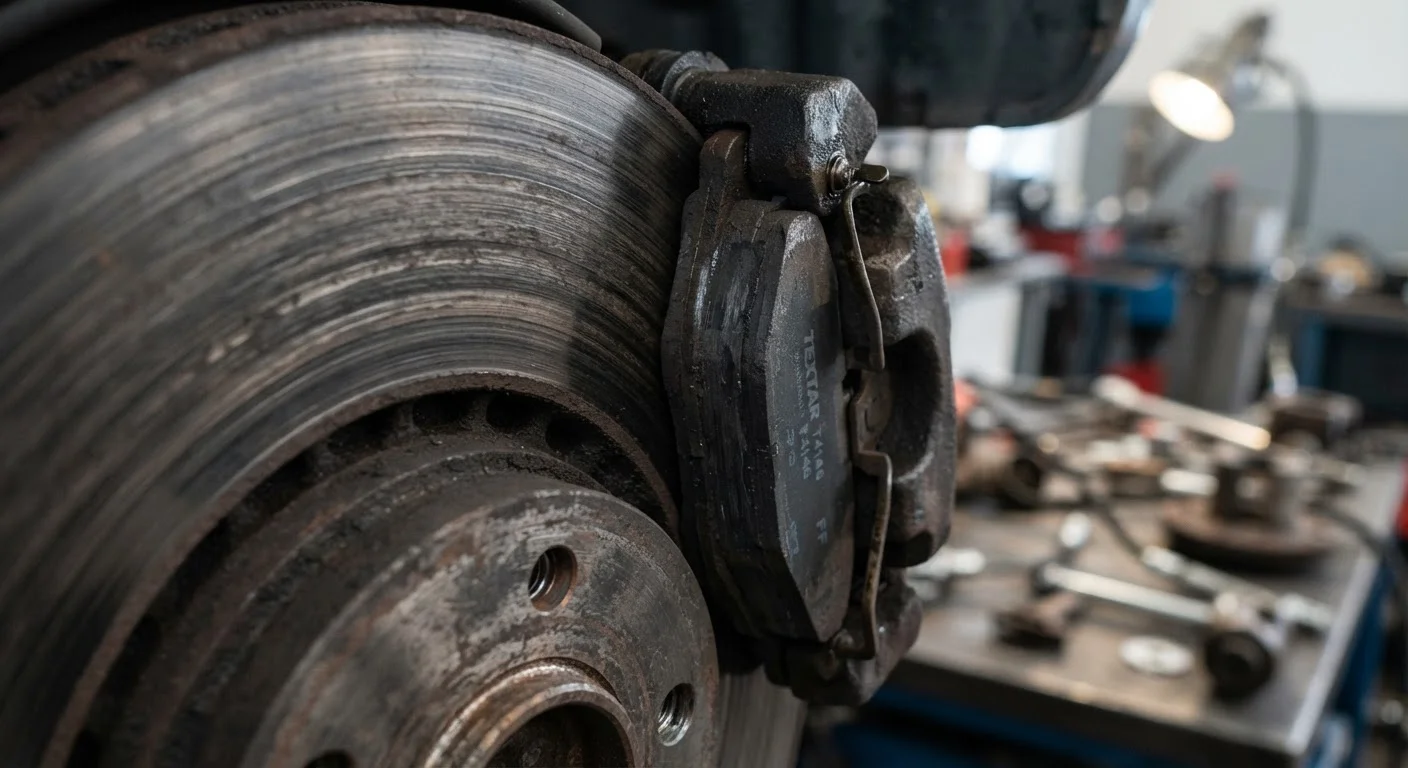
Why Brake Pad Wear Deserves Your Attention
Brake pads are the friction material that clamps against your rotors to slow the vehicle. As they wear down — typically from around 10–12mm of usable material to a worn-out 2–3mm — their ability to generate stopping force diminishes. What starts as a minor noise can escalate into metal-on-metal contact, scoring your rotors and dramatically increasing repair costs.
The good news is that brake pads give clear, readable signals well before they reach a dangerous state. Learning to recognize those signals early is one of the most practical maintenance habits any driver can develop. For a broader look at how brake symptoms connect to rotor wear, see our guide to brake pad and rotor wear.
Five Best Practices for Reading Brake Wear Signals
Combining regular checks with an understanding of what each symptom means lets you act at the right time — not too late, and not unnecessarily early.
Listen for the wear indicator squeal during normal stops.
Most brake pads sold since the 1970s include a small metal tab called a wear indicator. When the pad material wears to roughly 2–3mm, this tab contacts the rotor and produces a high-pitched squeal. It's an engineered warning system — ignoring it typically leaves only a short window before metal-on-metal contact begins.
Take grinding noises seriously and stop driving if they persist.
A grinding or growling sound under braking means the pad friction material is fully or nearly fully depleted, and metal components are contacting the rotor directly. Continued driving accelerates rotor damage and reduces stopping effectiveness. What was a pad-only replacement can quickly become a rotor replacement too.
Notice if the vehicle pulls to one side when braking.
Brake pull — where the car drifts left or right under braking — often signals that pads are wearing at different rates on opposite sides, or that one caliper is sticking. Either condition creates uneven braking force, which affects control and can mask the true extent of wear on the underperforming side.
Perform a visual check through the wheel spokes at every tire rotation.
Many wheel designs allow a view of the brake pad through the spokes without removing the wheel. A pad with more than about 4mm of friction material visible above the metal backing plate has useful life remaining; less than that warrants closer attention. Tire rotations every 5,000–7,500 miles provide a convenient, no-cost inspection window.
Track mileage and schedule inspections at manufacturer-recommended intervals.
Brake pads don't have a fixed replacement mileage — driving style, vehicle weight, and terrain all influence wear rate. However, most manufacturers recommend a brake inspection every 12,000 miles as a baseline. Keeping a simple log of the last inspection date removes guesswork and ensures nothing is overlooked during long service gaps.
Quick Wins You Can Do This Week
You don't need a lift or special tools to get a useful read on your brake health. These actions take minutes and can surface problems before they worsen.
When the Symptom Points Beyond the Pad
Not every brake complaint is a worn pad. A soft or spongy pedal typically signals air in the brake lines or a hydraulic fluid issue — not friction material thickness. Similarly, a pulsing sensation under braking usually points to a warped rotor rather than pad wear alone. If your brake warning light illuminates, treat it as a separate diagnostic step: it may indicate low fluid, a sensor fault, or a hydraulic problem that coexists with — or is unrelated to — pad condition.
Uneven wear patterns are another category worth understanding. If one side wears faster than the other, the cause is often a sticking caliper or an alignment issue — not the pad itself. Our article on uneven brake pad wear walks through the most common causes. If any symptom leaves you uncertain whether to keep driving, consult our guide to stop-now vs. drive-to-a-garage faults before making that call.
This article is for general informational purposes only. Brake system work affects vehicle safety — always have a qualified mechanic inspect and service your brakes if you are uncertain about their condition.