Why Uneven Wear Deserves More Than a Pad Swap
When one brake pad wears down faster than its partner on the same axle, the car is telling you something beyond "time for new pads." Uneven brake pad wear is almost always a symptom of a mechanical problem — one that will repeat itself if only the pads are replaced without investigation.
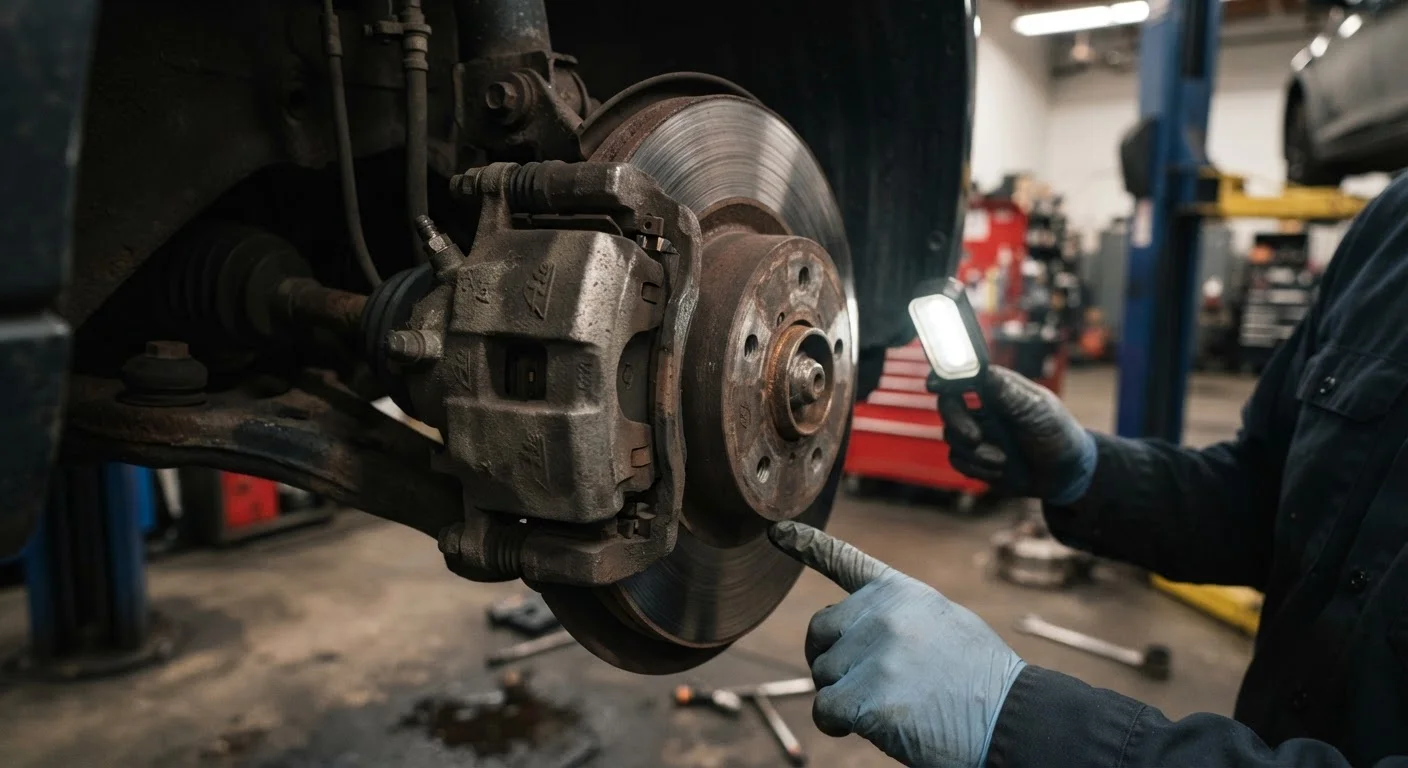
Common root causes include seized caliper slide pins, sticking caliper pistons, worn anti-rattle hardware, and even contaminated brake fluid. In some cases, the issue originates with mismatched parts installed during a previous service. Understanding which cause is at work helps you have a more informed conversation with your mechanic and avoid paying for the same repair twice.
For a broader look at what brake symptoms can mean, see what different brake warning signs indicate. And if you want to spot wear before it escalates, recognising brake pad and rotor wear early covers the key signals to watch for.
Common Mistakes That Make Uneven Wear Worse
Most cases of recurring uneven brake wear trace back to errors made during a previous service — either by a shop or a DIY attempt. The mistakes below are among the most frequent, and each one has a straightforward fix when caught early.
Replacing brake pads without inspecting the caliper slides and hardware.
Why it happens: Many owners focus on the pads as the consumable item and assume new pads will resolve any braking issue.
Ignoring a stuck brake caliper because the car still stops adequately.
Why it happens: A partially seized caliper may not cause dramatic braking failure right away, leading owners to underestimate the problem.
Skipping rotor inspection when replacing worn pads.
Why it happens: Rotors look simple and are often assumed to be fine if the car isn't vibrating badly.
Mismatching brake pad compounds between the left and right sides of the same axle.
Why it happens: When one pad is replaced independently — perhaps after a single-sided inspection — a different compound or quality level may be used on each side.
Overlooking brake fluid condition as a contributor to caliper problems.
Why it happens: Brake fluid is often out of sight and out of mind, and its role in caliper piston function is not widely understood.
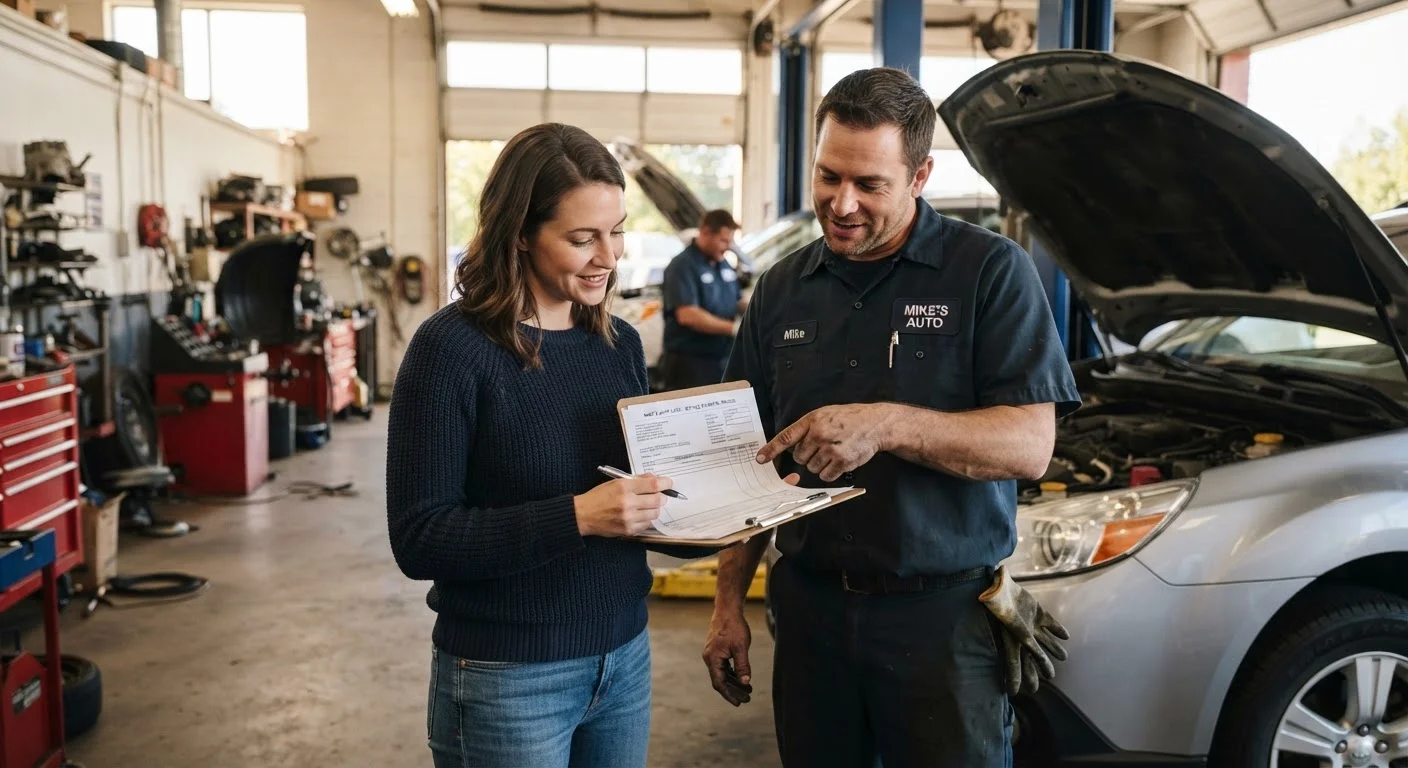
If you're heading to a shop and want to ask the right questions without overcommitting to repairs you don't need, getting the most out of a mechanic visit can help you prepare.
What to Expect From a Proper Brake Inspection
A thorough brake inspection goes beyond measuring pad thickness. A qualified mechanic should check caliper function on both sides of each axle, assess slide pin condition, measure rotor thickness at multiple points, and examine the brake hoses for internal collapse — a less common but real cause of one-sided caliper pressure.
Brake Safety Is Non-Negotiable
If you notice pulling under braking, grinding noises, or a soft brake pedal, stop driving and have the vehicle inspected immediately. These symptoms can indicate brake system failures that significantly reduce your ability to stop safely. Do not delay this inspection — brakes are a primary safety system.
After repairs, pay attention to how the car behaves during the first few stops. Even braking feel — no pulling, no grinding, no pulsing through the pedal — is the baseline you should expect. Uneven wear on your tires can sometimes accompany brake issues; what tyre wear patterns reveal about a vehicle explains what to look for there as well.
This article is for general informational purposes only. Brake system repairs involve safety-critical components — always consult a qualified mechanic for diagnosis and service specific to your vehicle.