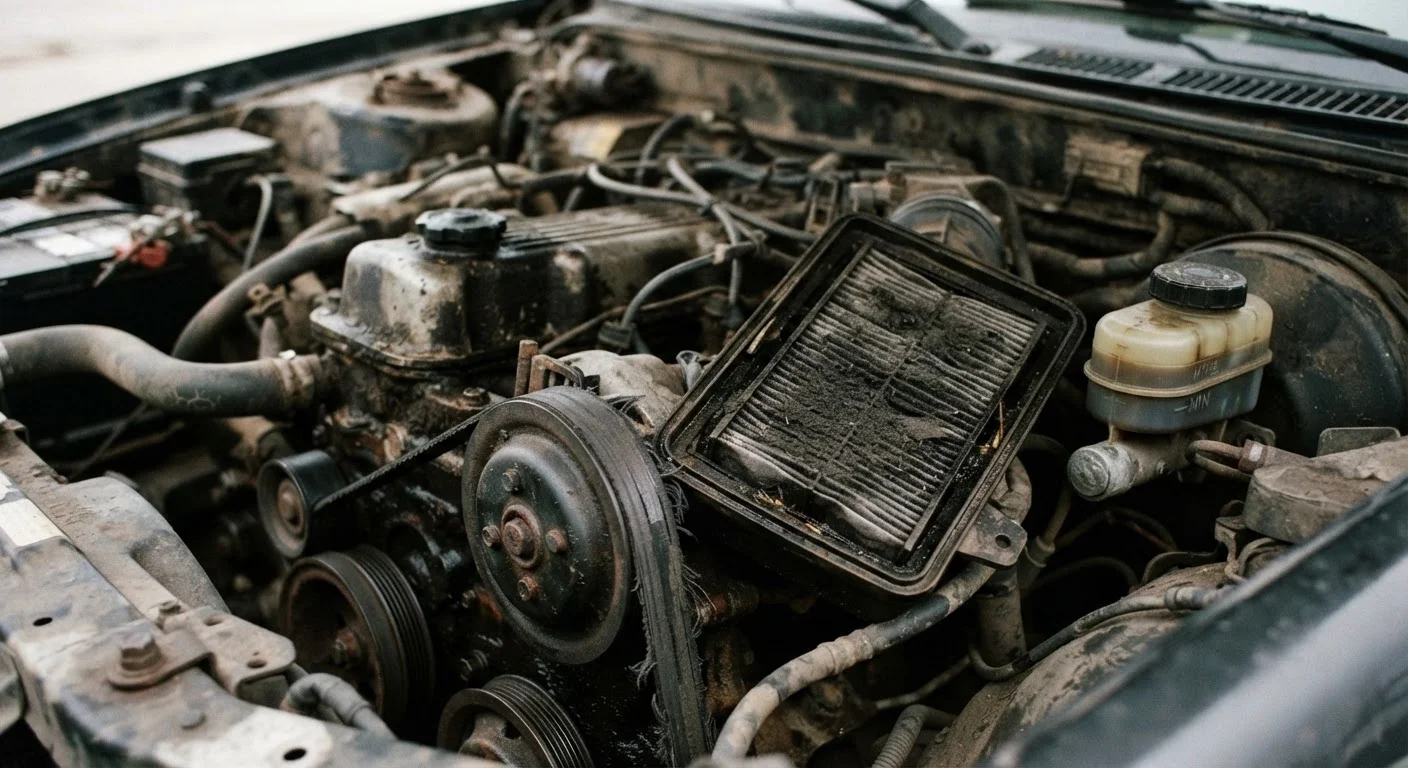
Why Small Skips Become Large Bills
Routine maintenance is engineered around one core principle: small, predictable interventions prevent unpredictable — and expensive — failures. When owners defer or skip scheduled services, they're not simply postponing a cost; they're allowing mechanical wear to compound unchecked. Visit the Routine Upkeep hub for a full overview of the scheduled tasks every owner should track.
The relationship between neglect and repair cost is rarely linear. A missed oil change doesn't just mean slightly dirtier oil — over time, degraded lubricant allows metal surfaces to wear against each other, generating debris that circulates through the engine. What begins as a $60 service can eventually lead to a repair bill measured in thousands. Understanding why these failures happen — and where deferred maintenance most commonly leads — is the first step toward protecting your investment.
Deferred Maintenance Can Void Your Warranty
Most new-vehicle limited warranties require that scheduled maintenance be performed at manufacturer-specified intervals. Skipping documented services can give a manufacturer grounds to deny a warranty claim on a related component failure. Always keep receipts and service records, and consult your owner's manual for required intervals.
The Most Common Maintenance Mistakes — and How to Correct Them
The mistakes below represent the most frequent patterns seen when deferred maintenance escalates into major repairs. Each follows a predictable path: an overlooked interval, a gradual symptom that seems manageable, and then a failure point that forces an urgent and costly fix. Recognizing these patterns early gives you the leverage to break the cycle.
Skipping oil and filter changes beyond the recommended interval.
Why it happens: Owners often assume modern synthetic oils last indefinitely, or they defer the service when money feels tight.
Ignoring coolant and transmission fluid replacement schedules.
Why it happens: These fluids are out of sight, and owners rarely feel an immediate symptom when they degrade, making the problem easy to overlook for years.
Putting off brake pad and rotor inspections until pads are metal-on-metal.
Why it happens: Brake wear is gradual and quiet until the wear indicators squeal, by which point significant rotor damage is already underway.
Neglecting air filter and cabin filter replacements.
Why it happens: These components are inexpensive and their impact on performance is subtle, so owners tend to treat them as optional.
Delaying timing belt or timing chain service.
Why it happens: Because the belt is hidden and the service is relatively expensive, owners procrastinate — not realizing a failure causes catastrophic engine damage.
If you're unsure which of these tasks are safe to handle at home versus when to involve a professional, our guide to DIY vs. mechanic decisions walks through the distinction clearly.
Putting It Into Practice
The most effective maintenance strategy is a simple one: keep your owner's manual within reach and treat its service schedule as a minimum standard, not a suggestion. Recording every service — date, mileage, and what was done — creates a paper trail that protects you at resale and makes it easier to spot what's coming due next.
Warning lights and unfamiliar sounds are the vehicle's way of signaling that something has already passed the preventive stage. Acting quickly on those signals matters — ignoring a warning light rarely saves money and often accelerates the problem. Similarly, skipping scheduled services has cumulative effects that aren't always obvious until a major component fails.
When you do visit a shop, going in informed makes a meaningful difference. Knowing the right questions to ask helps you evaluate recommendations clearly and avoid committing to repairs that aren't yet necessary — while ensuring the ones that are don't get deferred again.
$1,200+
Average cost of engine damage from neglected oil changes
Industry repair data consistently shows that lubrication-related engine failures — many traceable to extended oil change intervals — generate repair estimates well into four figures.
3–5×
Cost multiplier when brake pads wear to metal-on-metal
Replacing brake pads alone is substantially cheaper than replacing both pads and damaged rotors, which is the typical outcome when wear goes unchecked past the warning indicator stage.