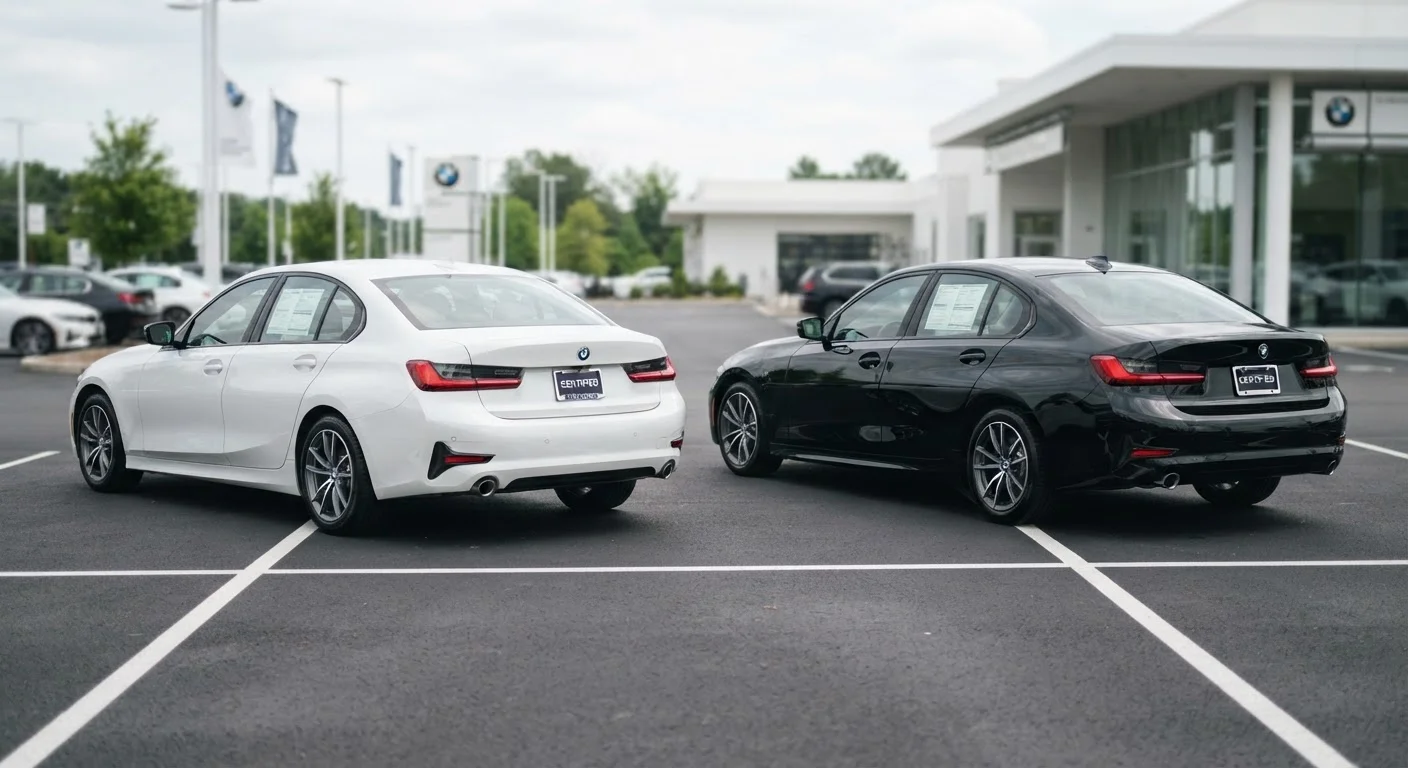
What CPO Certification Actually Involves
A Certified Pre-Owned (CPO) vehicle is a used car that has been inspected, reconditioned, and approved by either the original manufacturer or, in some cases, a dealership group. The key distinction is that manufacturer-backed CPO programs - offered by automakers through their franchised dealers - carry the most standardized and independently verifiable coverage.
At minimum, a manufacturer CPO vehicle must typically meet these criteria:
- Age and mileage limits (commonly under six years old and fewer than 80,000 miles)
- Completion of a multi-point inspection - often 100 to 200 checkpoints covering mechanical, electrical, and safety systems
- Reconditioning of any items that fall outside acceptable standards
- A manufacturer-backed limited warranty, often extending beyond any remaining factory coverage
- A vehicle history report included at no extra charge
It's worth noting that dealer-certified programs - where an independent or non-franchised dealer applies its own certification label - are not manufacturer-backed and carry significantly less standardized oversight. Always clarify which type of CPO program applies before assuming full manufacturer backing. For a deeper look at what specific programs cover, see our guide to CPO program coverage.
How Standard Used Cars Compare
A standard used car is any pre-owned vehicle sold without manufacturer certification. This includes vehicles sold at franchised dealerships, independent lots, and through private-party transactions. The quality, condition, and documentation of a standard used car varies enormously depending on the seller and the vehicle's history.
Standard used cars are not inherently lower quality - many are in excellent condition with thorough service records. However, buyers absorb more of the risk themselves. Without a mandated inspection or warranty, you need to:
- Request a full vehicle history report (such as from Carfax or AutoCheck)
- Arrange an independent pre-purchase inspection by a licensed mechanic
- Understand the vehicle's remaining manufacturer warranty status, if any
- Factor potential repair costs into your offer price
The upside is meaningful: standard used cars are typically priced lower than comparable CPO models, and there's often more room to negotiate. For buyers who understand used car pricing terminology, a non-certified vehicle can represent strong value when evaluated carefully.
| Criterion | Certified Pre-Owned (CPO) | Standard Used |
|---|---|---|
| Inspection requirement | Multi-point inspection required | No mandated inspection |
| Warranty included | Manufacturer-backed warranty | Remaining factory warranty only (if any) |
| Price | Higher (certification premium) | Lower; more negotiable |
| Eligibility limits | Age and mileage caps apply | No eligibility restrictions |
| Vehicle history report | Typically included | Buyer must request/purchase |
| Roadside assistance | Often included | Rarely included |
| Financing rates | May qualify for lower rates | Standard used-car rates apply |
| Negotiation flexibility | Limited by certification pricing | Greater room to negotiate |
The Price Premium: What You're Actually Paying For
CPO vehicles generally carry a price premium over equivalent non-certified used models. Estimates vary by vehicle type, brand, and market conditions, but the gap commonly falls in the range of $1,000 to $3,000 - and can be higher for luxury or near-new models. Whether that premium is justified depends on how you weigh several factors.
$1,000-$3,000
Typical CPO price premium over standard used
Industry estimates suggest CPO vehicles commonly carry this premium over comparable non-certified models, varying by brand, model, and market conditions.
80,000 mi
Common CPO mileage eligibility cap
Most manufacturer CPO programs require vehicles to fall under approximately 80,000 miles, though exact limits differ by automaker.
100-200
Inspection checkpoints in a typical CPO process
Manufacturer CPO programs generally require vehicles to pass between 100 and 200 individual inspection points covering mechanical, electrical, and safety systems.
When the premium tends to be worth it:
- The vehicle is recent enough that extended warranty coverage adds genuine long-term value
- You have limited ability or time to arrange a thorough independent inspection
- You're financing the purchase and the lender offers a better rate for CPO vehicles
- You want a predictable ownership experience with known repair coverage terms
When the premium may not pay off:
- The vehicle is near the upper age or mileage limit of CPO eligibility, meaning warranty coverage may be short
- You're buying a historically reliable model where repair risk is lower regardless
- You plan to sell or trade the car within a year or two, limiting the warranty's practical benefit
For a full breakdown of cost differences across the used car spectrum, our article on the real cost difference between new and used cars puts CPO pricing in a broader financial context.
Warranty Coverage: The Sharpest Difference
Warranty protection is where CPO and standard used cars diverge most clearly. A manufacturer CPO program typically provides:
- A powertrain warranty covering the engine, transmission, and drivetrain - often for 1 to 7 years depending on the brand
- A bumper-to-bumper or limited comprehensive warranty, though this is shorter and less universally offered
- Roadside assistance coverage for the warranty period
Standard used cars retain only whatever factory warranty remains from the original sale - which may be minimal or expired entirely depending on the vehicle's age and mileage. Some dealers offer short limited warranties on standard used vehicles (often 30-90 days), but these are narrowly scoped and not equivalent to CPO coverage.
Buyers considering a standard used car should review warranty status carefully before purchase. Our dedicated guide on the warranty gap between new and used vehicles explains how to evaluate remaining coverage and what to expect from the used car market overall.
One important caveat: CPO warranties are not identical across manufacturers. Coverage length, deductibles, transferability to a future buyer, and which components are included vary considerably. Always read the specific program terms - not just the marketing headline - before treating the warranty as a definitive selling point. For a price-focused analysis, see our comparison on whether the CPO price difference is justified.
This article is for general informational purposes only and does not constitute financial or legal advice. Consult a qualified professional for guidance specific to your situation.