Where EVs Deliver Real, Measurable Advantages
The financial case for electric vehicles is most convincing when you look at running costs rather than sticker price. Electricity is consistently cheaper per kilometre than petrol across Australia. Drivers who charge predominantly at home on off-peak tariffs typically pay the equivalent of well under $1 per litre of petrol - a gap that compounds over years of ownership.
Servicing costs are also structurally lower. EVs have no engine oil, fewer brake components subject to wear (regenerative braking reduces pad usage), no timing belts, and no exhaust system. Independent cost-of-ownership analyses have consistently found that EV servicing intervals involve fewer items and lower labour costs than comparable internal combustion vehicles.
Beyond the wallet, the daily driving experience is widely praised. Instant torque from a standing start, near-silent operation at urban speeds, and one-pedal driving capability are features drivers frequently cite after switching. If you want to understand what separates the EV experience from petrol on a test drive, our EV test drive guide explains exactly what to look for.
Lower per-kilometre running costs than petrol
Home charging on off-peak electricity rates typically costs a fraction of equivalent petrol spend, with savings that accumulate significantly over several years of ownership.
Fewer and simpler scheduled servicing requirements
No engine oil changes, no exhaust components, and reduced brake wear through regenerative braking translate to lower average annual service costs.
Immediate torque and smooth urban driving experience
Electric motors deliver maximum torque from rest, making city and suburban driving noticeably responsive without the rev range or gear-change lag of a petrol engine.
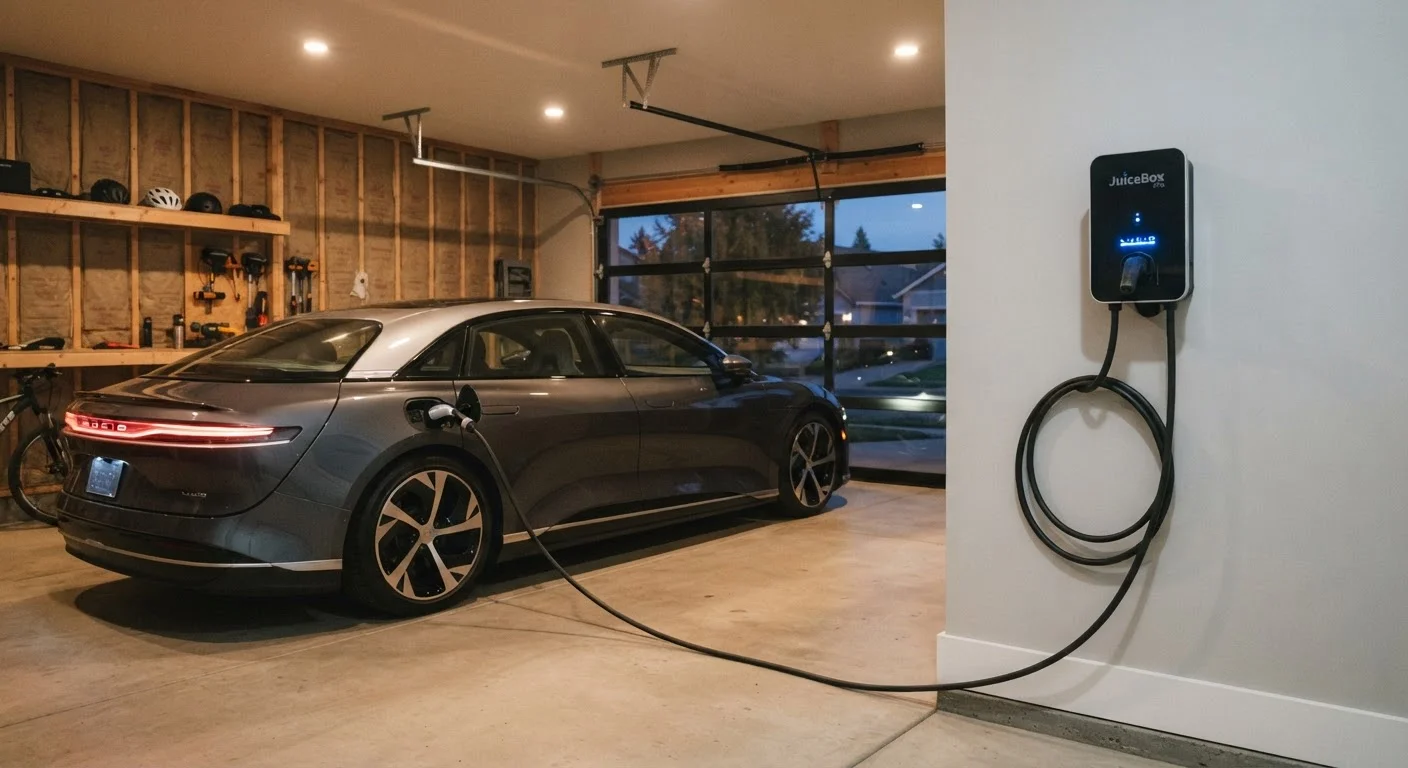
Home charging covers most daily driving needs
The average Australian daily commute is well within the range of a single overnight home charge, making public charging infrastructure a secondary rather than primary concern for many households.
Zero tailpipe emissions during operation
EVs produce no direct exhaust emissions, contributing to improved local air quality in urban areas and reducing the driver's operational carbon footprint relative to petrol.
Where the Case for Waiting Still Has Merit
The single largest friction point remains purchase price. Across most vehicle segments, an EV still commands a significant premium over a petrol equivalent. That gap is narrowing, but buyers on tighter budgets face a longer payback period before running cost savings offset the higher entry cost.
Charging infrastructure outside major cities is improving but uneven. Drivers in regional areas, or those without off-street parking in urban apartment buildings, face a meaningfully different ownership experience than those with a home charger. Relying solely on public charging adds time and planning that petrol refuelling does not.
Battery degradation over many years of ownership, and the long-term cost of eventual battery replacement, remain genuinely uncertain for most buyers. While manufacturer warranties typically cover batteries for eight years or more, resale value implications are harder to predict. Common EV ownership mismatches are worth reviewing before committing.
Higher upfront purchase price in most segments
EV purchase prices typically sit above comparable petrol models, creating a longer period before running cost savings offset the premium - a real constraint for budget-sensitive buyers.
Public charging network uneven outside major cities
Regional and rural areas still have significantly fewer fast chargers than metropolitan centres, making long-distance travel require more careful route planning than a petrol equivalent.
Home charging not accessible to all buyers
Apartment and strata residents without dedicated parking or approved charging infrastructure face a major practical obstacle that petrol ownership does not present.
Long-term battery degradation and resale uncertainty
While manufacturer warranties cover batteries for extended periods, long-term capacity loss and the cost of eventual battery replacement remain difficult for individual buyers to forecast accurately.
Longer refuelling time than petrol even with fast charging
Even at a DC fast charger, adding significant range takes noticeably longer than a petrol fill-up, which matters on time-sensitive long trips or when charger queues occur.
Incentives, Hybrids, and the Middle Path
For buyers who see merit on both sides of the argument, the incentive landscape and the hybrid option both deserve attention. Federal fringe benefits tax concessions and state-level stamp duty exemptions or rebates can shift the financial equation considerably. The structure of these programs changes over time, so verifying current eligibility through official state and federal government sources is essential. For a structured overview, how Australia's EV incentive system works covers the key mechanisms.
Hybrid vehicles - both conventional and plug-in - offer a pragmatic middle ground. They eliminate range anxiety entirely while still delivering improved fuel efficiency, particularly in city driving. For buyers who cover significant regional distances or lack home charging, a hybrid can bridge the gap without the infrastructure dependency. Comparing petrol, hybrid, and electric powertrains in detail can help clarify which powertrain fits your actual driving profile.
A Note on Incentive Accuracy
State and federal EV incentive programs in Australia are subject to change, including eligibility thresholds, rebate amounts, and program sunset dates. Any figures cited in articles may become outdated. Always verify current incentive details directly through the relevant state government or the Australian Government's official energy and transport resources before making a purchase decision.
If you are approaching this decision for the first time, a complete walkthrough for first-time EV buyers covers the full decision process from assessing daily needs to understanding charging setup.