Why Good Intentions Aren't Enough
The appeal of an electric vehicle is easy to understand - lower fuel costs, reduced emissions, and the novelty of a fundamentally different driving experience. But enthusiasm for the concept doesn't automatically translate into a good ownership fit. A growing number of buyers discover post-purchase that their daily routines, home setup, or driving patterns create friction that they never anticipated.
This article isn't about discouraging the switch. It's about making sure the switch is well-reasoned. As our balanced look at EV readiness notes, there are genuine reasons both for and against going electric - and the answers depend heavily on individual circumstances. Below are the most common mismatches between expectation and reality that catch new EV buyers off guard.
Treating the manufacturer's rated range as a reliable daily figure.
Why it happens: EPA range estimates are determined under controlled test conditions that don't replicate highway speeds, cold weather, aggressive climate control use, or heavy loads - all of which reduce real-world range, sometimes by 20-30%.
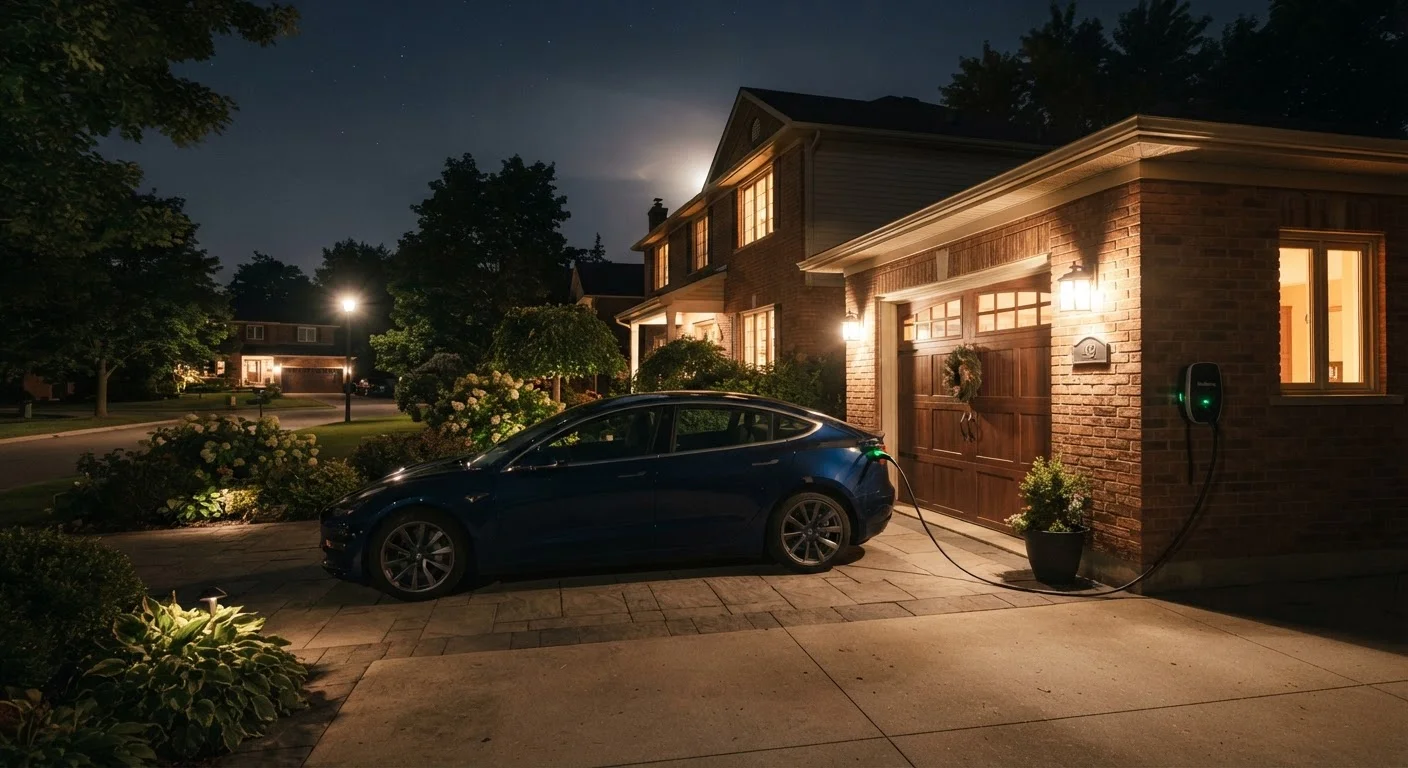
Assuming home charging is straightforward without assessing your actual setup.
Why it happens: Many buyers assume they can simply plug in at home, without considering whether their electrical panel supports a Level 2 charger, whether they have a dedicated parking space, or whether they rent rather than own.
Underestimating how dramatically cold weather affects battery performance.
Why it happens: EV marketing tends to highlight performance in temperate conditions. Buyers in northern climates or high-altitude areas may not realize that battery chemistry is significantly affected by low temperatures, reducing both range and charging speed.
Assuming an EV is cost-effective purely based on fuel savings.
Why it happens: The per-mile cost of electricity is often lower than gasoline, but buyers sometimes focus only on that comparison while overlooking higher purchase prices, potential home charging installation costs, and insurance differences.
Overlooking the limitations of long-distance travel and towing.
Why it happens: Urban and suburban drivers may test an EV on short trips and find it perfectly adequate, then be caught off guard when a road trip or towing scenario exposes significant range reduction and charging time constraints.
Buying a used EV without checking battery health.
Why it happens: Used EV listings often highlight the original rated range, which can be misleading if the battery has degraded. Buyers unfamiliar with battery aging may not know to ask or where to find this information.
Making a More Informed EV Decision
Avoiding these mistakes doesn't require engineering expertise - it requires honest self-assessment before signing anything. Map your actual weekly driving routes and distances. Confirm whether your home, apartment building, or parking situation can support a Level 2 charger. Check the public charging infrastructure along any corridors you drive regularly, not just in your immediate area.
20-30%
Typical real-world range reduction vs. EPA estimate
Independent testing by automotive publications consistently finds that real-world EV range falls meaningfully short of EPA-rated figures, particularly at highway speeds and in cold climates.
~30-50%
Range reduction when towing near capacity
Data from EV owner communities and automotive testing suggests towing heavy loads can cut effective range roughly in half, varying by vehicle, load weight, and terrain.
~$1,000-$2,500
Estimated Level 2 home charger installation cost
According to general industry estimates, installing a 240V Level 2 home charging circuit typically costs between $1,000 and $2,500 depending on panel capacity and wiring complexity.
If you tow, haul heavy loads, or regularly drive in sub-freezing temperatures, factor those scenarios into your range calculations using real-world data rather than EPA estimates. A structured EV test drive tailored to your actual conditions - not a loop around a dealership - can reveal a great deal. And when reading reviews, pay close attention to the conditions under which range was tested; our guide on how to read an EV review without getting misled explains which metrics deserve scrutiny.
For buyers considering a used EV, battery degradation is a real variable. Request a battery health report - many manufacturers provide diagnostic tools for this - and factor any degradation into your usable range expectations. A vehicle advertised with a 250-mile rated range may deliver meaningfully less if its battery has degraded to 85% capacity.
The broader research process matters too. Comparing models carefully before committing helps surface trade-offs that aren't obvious in a spec sheet. And for buyers ready to go deeper, our complete walkthrough for first-time EV buyers covers the full process from needs assessment to charging infrastructure planning.
This article is for general informational purposes only. Vehicle range, charging costs, and ownership economics vary by model, region, and individual usage. Consult a qualified automotive or financial professional before making purchasing decisions.