Why Outstanding Finance Creates a Title Problem
When a buyer finances a vehicle purchase, the lender typically secures the loan by placing a lien on the car's title. This means the lender — not the borrower — holds the senior legal claim on the vehicle until the loan is fully repaid. The borrower can drive the car and register it, but cannot transfer clean ownership to someone else while the lien exists.
The critical point for used car buyers: liens attach to the vehicle, not the person. If a seller transfers a car without clearing the loan first, the lien travels with the car to its new owner. The original lender retains the right to repossess the vehicle to recover the unpaid debt, even after a legitimate sale has taken place. This is not a hypothetical risk — it happens regularly in private-party transactions and is one of the primary reasons deals collapse or unravel after closing. See why used car deals fall apart for a broader look at transaction failures.
How to Check for a Lien Before You Buy
There are three practical steps to verify lien status on any used vehicle you're seriously considering:
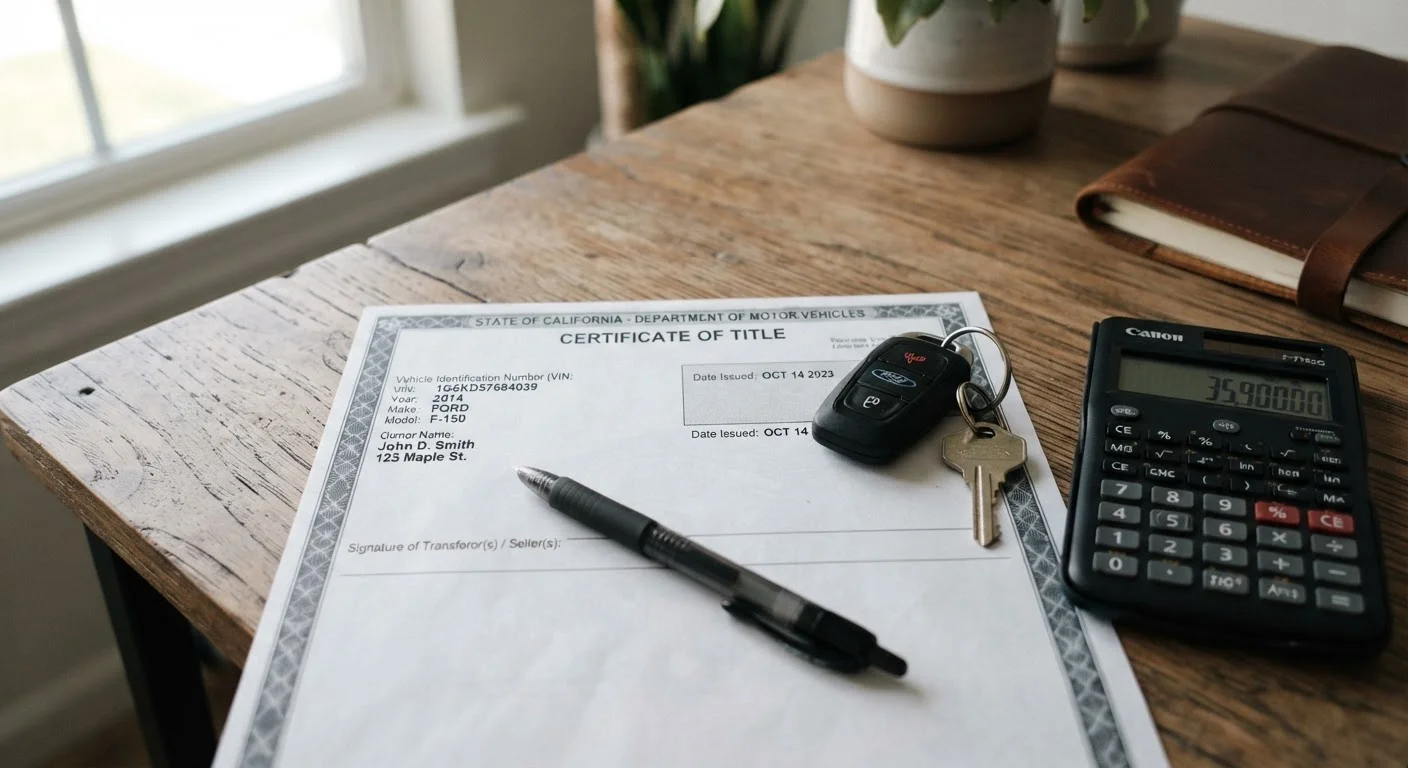
- Inspect the physical title. Ask the seller to show you the original title document — not a photocopy. If a lender holds a lien, the lender's name will appear on the title. In some states, the lender physically holds the title until the loan is paid off, meaning the seller won't have the document in hand at all. That alone is a clear signal a lien is active.
- Run a VIN history report. A vehicle identification number (VIN) history report from a recognized reporting service typically flags active liens, along with accident history, odometer readings, and title events. This step is not a substitute for checking the title directly, but it adds a useful layer of verification.
- Contact your state DMV. Most state Departments of Motor Vehicles allow title status inquiries. This gives you a government-source confirmation of whether any lien is recorded against the vehicle before you finalize the purchase.
1 in 3
Used cars listed privately with an active lien
Vehicle history report providers have historically noted that a significant share of privately listed used vehicles carry undisclosed or unresolved liens at the time of sale.
$0
Buyer recourse if lender repossesses after purchase
If a lien is not cleared before title transfer, the buyer typically has no claim against the lender — only a potential civil action against the seller, which can be costly and uncertain.
Understanding how auto loans work from the start can also sharpen your judgment here — see how auto loans are structured for background on loan security interests.
What to Do If the Car Has Outstanding Finance
Discovering an active lien doesn't automatically mean you should walk away — but it does mean the transaction needs to be structured carefully. Here's how legitimate sales involving outstanding finance are typically handled:
- Request the payoff amount in writing. The seller should contact their lender and obtain the exact payoff figure, which is the amount required to fully satisfy the loan. This number may differ from the remaining balance shown on a statement because it accounts for per-diem interest.
- Pay the lender directly. At closing, the portion of your purchase price covering the loan payoff should go directly to the lender — not to the seller. The seller receives only any remaining equity after the lien is cleared.
- Use an escrow or structured closing. For private-party transactions, some buyers and sellers use a neutral escrow service to hold funds while the lien release is processed. This protects both parties.
- Get the lien release in writing before completing the deal. The lender must issue a formal lien release document. Do not complete the title transfer until this document is in hand or confirmed with the DMV.
If the loan balance exceeds the agreed purchase price — meaning the seller is underwater on the vehicle — the seller must cover that gap themselves. Never agree to absorb a payoff amount above what you've negotiated as the car's price. For a broader view of how financing shapes vehicle affordability, the comparison at financing new vs. used cars is worth reading alongside this guidance.
Never Accept a Copy of the Title
Always ask to see the original, physical title document — photocopies can be altered and don't confirm current lien status. If the seller says the lender holds the title, verify this directly with the lender before proceeding. A seller who is unwilling to facilitate this verification is a red flag worth taking seriously.
This article is for general informational purposes only and does not constitute legal or financial advice. Consult a qualified professional for guidance specific to your situation.