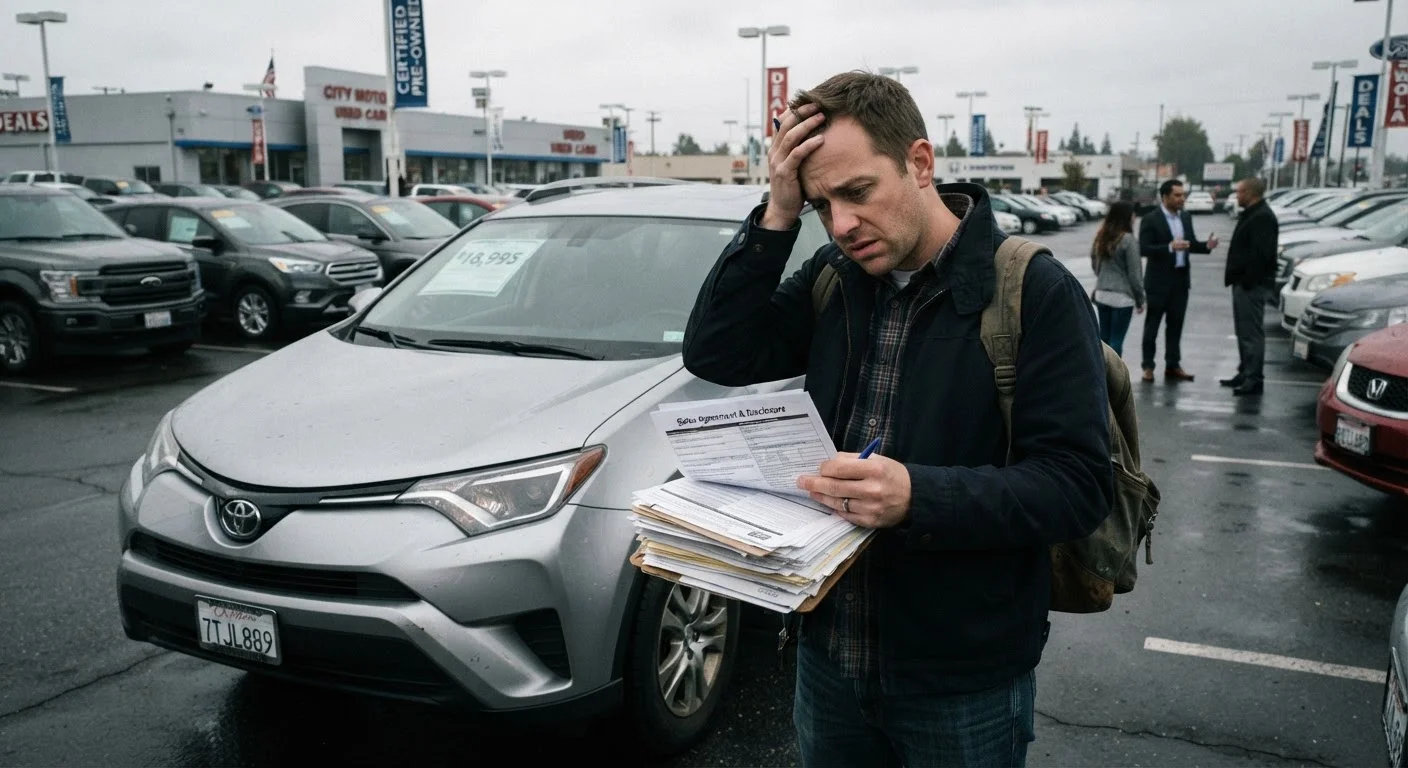
Why Deals Collapse at the Finish Line
Most used car deals that fall apart don't fail because of bad luck. They fail because one or more predictable problems went unaddressed early in the process. The buyer may have skipped an inspection, assumed the financing was solid, or signed paperwork without reading it carefully. By the time the issue surfaces — sometimes days after the sale — options for recourse are limited.
Understanding where deals typically break down is the most practical form of buyer protection available. The mistakes below cover the most common failure points, why they occur, and what you can do before you're sitting across from a seller to make sure they don't happen to you. For a broader look at what shapes a used car deal, see how deals are structured from start to finish.
The Mistakes That Most Often Kill a Deal
Each of the following errors is avoidable with preparation. None requires specialized knowledge — only a deliberate approach and willingness to slow down before committing.
Skipping an independent pre-purchase inspection before agreeing to buy.
Why it happens: Buyers assume a vehicle listed by a dealer or with a clean history report is mechanically sound — or they don't want to slow down a deal they're excited about.
Relying on dealer financing without securing a pre-approval first.
Why it happens: Many buyers enter the dealership without pre-arranged financing, leaving them vulnerable to rates and terms they haven't had time to evaluate independently.
Failing to verify title status and outstanding liens before committing.
Why it happens: Buyers frequently assume the seller has clear ownership, particularly in private-party transactions where paperwork feels informal.
Ignoring signs of undisclosed accident or flood damage during inspection.
Why it happens: Cosmetic repairs and detailing can mask serious structural or water damage, and buyers without a checklist often miss the telling signs.
Agreeing verbally to deal terms without confirming everything in the written contract.
Why it happens: Buyers trust what they were told during negotiation and don't cross-reference verbal promises against the final paperwork before signing.
Making decisions based on monthly payment rather than total cost of the vehicle.
Why it happens: Dealers sometimes structure conversations around monthly payments, which can obscure a higher overall price or unfavorable loan terms.
For a side-by-side comparison of what separates genuinely good used car deals from ones that look similar on paper, see what buyers commonly overlook when evaluating listings.
Verify the Title Before You Negotiate
A vehicle with a salvage, rebuilt, or lienholder title can derail a deal after you've already invested time, money, and emotion. Always confirm title status through your state's DMV or a vehicle history service before entering serious negotiation. Never hand over a deposit on a vehicle with an unresolved lien or unclear ownership chain.
Building a Process That Holds Up
The buyers who avoid deal-breaking surprises aren't necessarily more experienced — they follow a consistent sequence. They pull a vehicle history report early. They arrange financing before stepping onto a lot. They bring a mechanic to any serious inspection. And they treat the written contract as the only version of the deal that counts.
Many assumptions buyers carry into the process are worth questioning before they become costly. Common beliefs about used car reliability and history often don't hold up when examined against actual data. Replacing assumptions with verification steps is what separates buyers who close confidently from those who walk away frustrated — or who discover problems after the keys have changed hands.
1 in 4
Used cars with undisclosed prior damage
According to Carfax data, approximately one in four used vehicles on the market has a history of unreported accident damage that buyers may not discover without a third-party inspection.
$1,200+
Average cost of a pre-purchase inspection catch
Industry estimates suggest independent pre-purchase inspections routinely surface repair needs that would cost buyers over $1,000 if discovered only after purchase.
This article provides general educational information about the used car buying process. It is not a substitute for professional mechanical, legal, or financial advice tailored to your specific situation. Consult a qualified professional before making significant financial decisions.