Price and Fees: What You Actually Pay
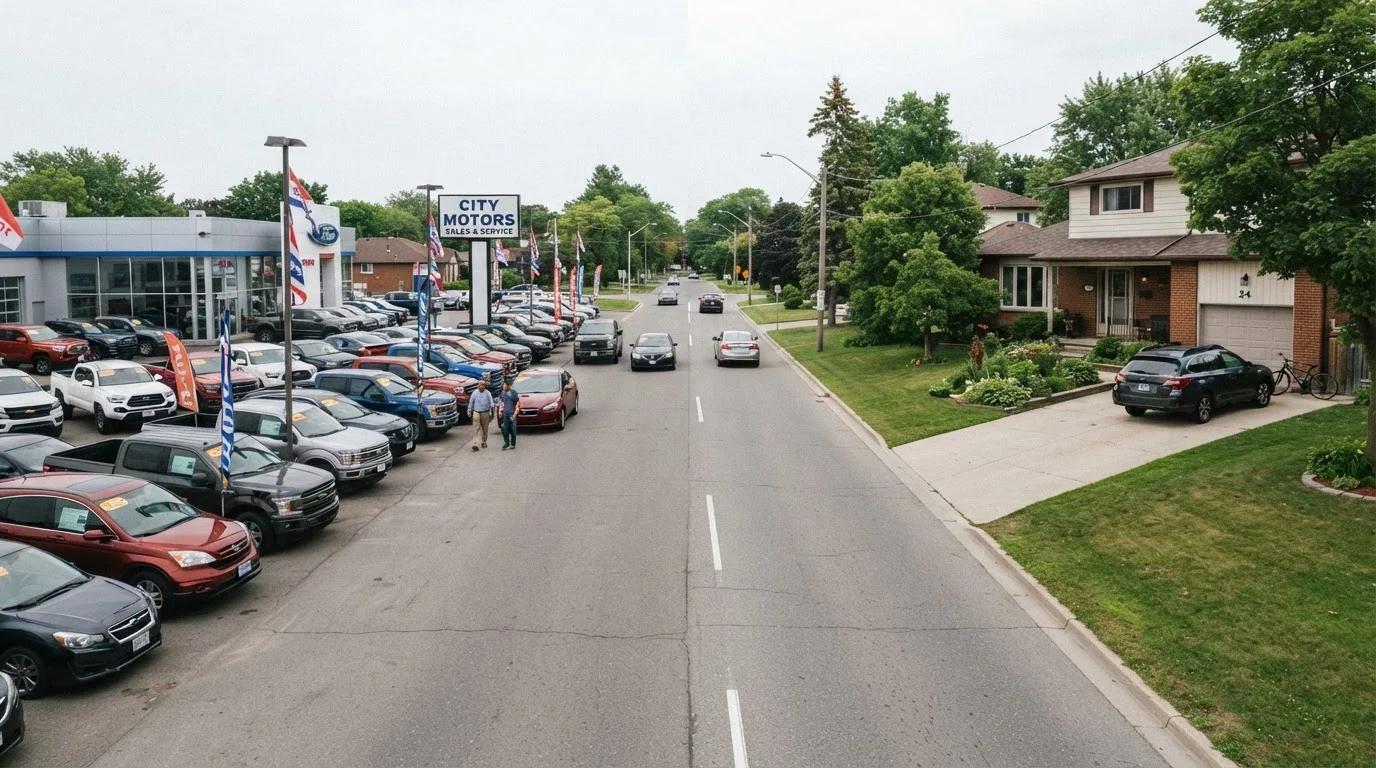
The sticker price is rarely the full story at a dealership. On top of the listed vehicle price, dealers typically charge documentation fees, dealer prep fees, and in some cases advertising fees — costs that are standard practice but vary widely by state and dealer. These fees can add several hundred dollars to the final transaction, separate from taxes and registration.
Private sellers don't carry that overhead. Their asking price is generally closer to what they need to recoup, without built-in margin for a sales staff or lot operations. That said, private sellers may also be less informed about current market values, which can cut either way — you might find a vehicle priced below market, or encounter an inflated listing from a seller anchored to an outdated valuation.
For a broader look at how these two channels compare on sourcing and selection, see buying a used car from a private seller vs. a dealership.
| Criterion | Private Seller | Dealership |
|---|---|---|
| Typical price | Closer to market or below | Marked up; fees added |
| Financing available | No — buyer arranges independently | Yes — arranged on-site |
| Legal protections | Minimal; typically as-is | Regulated; FTC Buyers Guide required |
| Warranty options | None standard | Limited warranty or CPO possible |
| Negotiation style | Direct with decision-maker | Structured; involves F&I office |
| Title transfer | Buyer manages process | Dealer handles paperwork |
| Vehicle selection | Broad across many platforms | Limited to dealer inventory |
Financing: Who Arranges the Loan
One of the most practical differences between the two channels is how payment works. Dealerships have finance departments with relationships across multiple lenders — banks, credit unions, and captive finance arms — allowing buyers to apply for a loan and drive off the same day. This convenience comes with a trade-off: dealers may earn a commission on the loans they arrange, which can mean a higher interest rate than you'd get by going directly to a lender.
Private sales don't include financing. You either pay cash, or you arrange your own pre-approved loan through a bank or credit union before you show up. Pre-approval gives you a defined budget and rate, and it puts you in a stronger negotiating position. For a detailed look at how dealer-arranged loans compare to direct lending, see dealer financing vs. bank or credit union loans.
Legal Protections and Disclosure Requirements
Licensed dealerships operate under state and federal regulations. They must provide a Buyers Guide (as required by the FTC Used Car Rule) disclosing whether the vehicle is sold as-is or with a warranty, and they face consequences for misrepresenting vehicle condition or history. Some states also require dealers to disclose known defects or prior accident damage.
Private sellers have far fewer obligations. In most states, private sales default to 'as-is,' meaning the seller has no legal duty to disclose issues they haven't been asked about directly. This doesn't mean private sellers are dishonest — most aren't — but it does shift more responsibility to the buyer to ask the right questions and conduct thorough due diligence. The inspection and history-check process looks different depending on which route you take; vetting differences between private sales and dealer purchases breaks this down in detail.
Negotiation Dynamics and the Closing Process
Negotiating with a private seller is more direct: you're talking to the decision-maker, there's no sales manager to 'check with,' and the conversation tends to move faster. Sellers are often motivated by timeline — a pending move, a new car already purchased — which can create room to negotiate. However, without a formal process, details like title transfer and bill of sale are entirely the buyer's responsibility to manage correctly.
Dealerships have a more structured process. You'll typically work through a salesperson, with pricing reviewed by a finance and insurance (F&I) office where additional products — extended warranties, gap insurance — are offered. This layer adds time but also creates a documented paper trail. Understanding how this process works before you walk in is worthwhile; the negotiation and paperwork hub covers what to expect at each stage.
Title Transfer Is Your Responsibility in Private Sales
When buying from a private seller, you are responsible for ensuring the title is clean (no liens, correct name) and completing the transfer at your state's DMV. A lien on the title means the seller's lender has a legal claim on the vehicle. Always verify the title is free and clear before handing over payment, and never accept a vehicle without a signed title in hand.
Whichever channel you choose, the underlying market context is the same. Understanding how private listings, independent dealers, and franchise dealers are positioned relative to each other helps you calibrate expectations before you negotiate — see the used car market explained for that broader picture.