How Each Oil Is Made
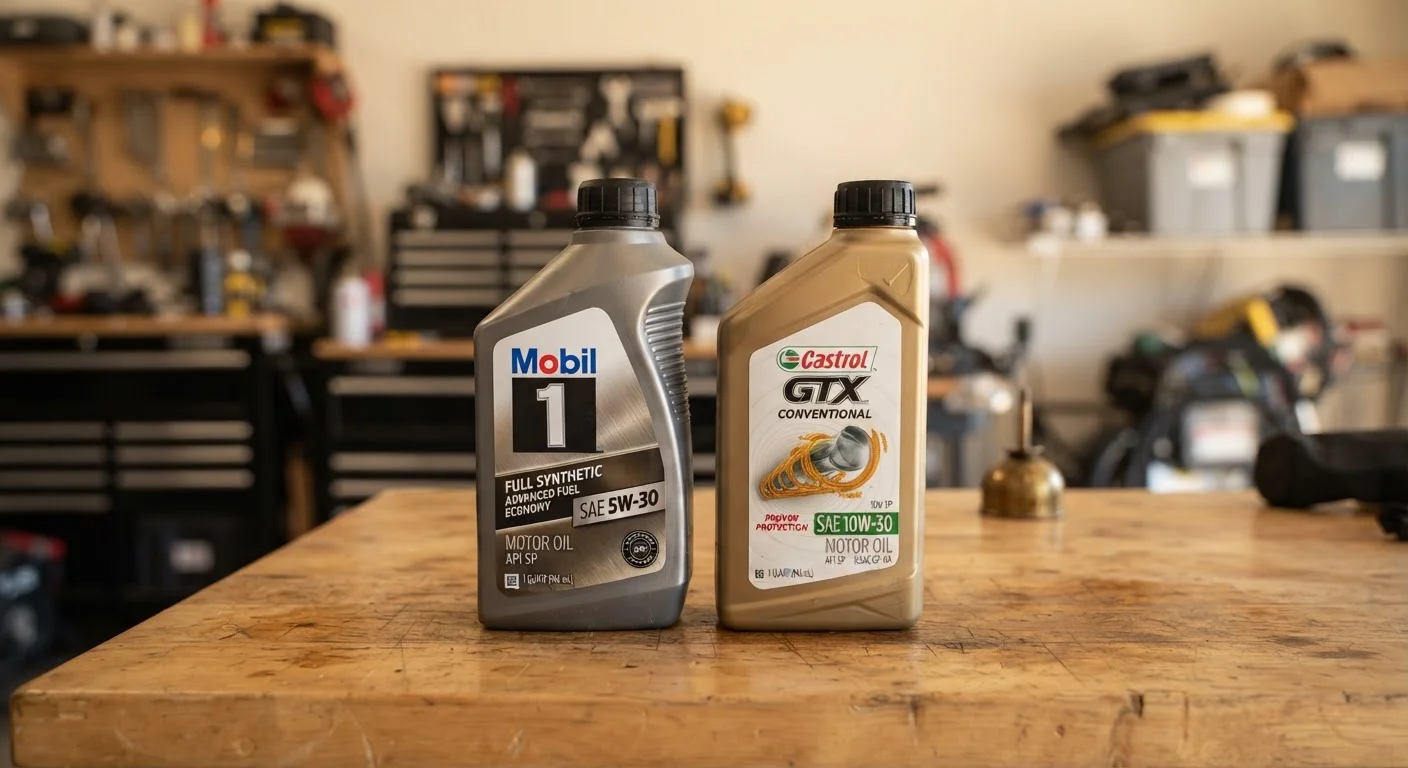
The most fundamental difference between synthetic and conventional engine oil lies in how each is produced. Conventional oil — also called mineral oil — is refined from crude petroleum. Through a refining process, impurities are removed and the molecular structure is adjusted for lubrication purposes. However, naturally occurring crude contains molecules of varying sizes and shapes, which limits how uniformly the final product performs.
Synthetic oil, by contrast, is chemically synthesized. Engineers build the oil molecule by molecule, typically starting from a base stock such as polyalphaolefin (PAO) or a similar compound. The result is a lubricant with a highly uniform molecular structure, engineered to precise specifications. This uniformity directly translates into more predictable, consistent performance across a wider range of conditions.
A third category — synthetic blend — combines both types, offering a middle-ground option at a lower cost than full synthetic while outperforming straight conventional oil in certain areas.
Performance Differences That Matter
The structural difference between the two oils produces real-world performance distinctions that become especially relevant in demanding conditions.
| Criterion | Synthetic Oil | Conventional Oil |
|---|---|---|
| Base stock | Chemically engineered compounds | Refined crude petroleum |
| Molecular uniformity | High — purpose-built structure | Variable — naturally occurring |
| Cold-start flow | Faster circulation at low temps | Thickens more in cold weather |
| High-temp stability | Resists breakdown under heat | Degrades faster under sustained heat |
| Typical change interval | 7,500–10,000+ miles (varies by vehicle) | 3,000–5,000 miles |
| Cost per quart | Higher upfront cost | Lower upfront cost |
| Suited for turbo engines | Yes — generally required | Not recommended |
Cold-start protection: At low temperatures, conventional oil thickens more significantly than synthetic, meaning it takes longer to circulate fully through the engine on a cold morning. Most engine wear occurs during this startup period. Synthetic oil flows faster at low temperatures, reaching critical components sooner.
High-temperature stability: Under sustained heat — in a turbocharged engine or stop-and-go traffic — conventional oil breaks down more quickly. Synthetic oil resists thermal breakdown, maintaining its protective film longer. For a deeper look at how engine type affects oil demands, see how turbo and naturally aspirated engines differ in ownership.
Oil change intervals: Conventional oil typically follows a 3,000–5,000 mile change interval under normal driving. Full synthetic formulas are generally rated for 7,500–10,000 miles or more, depending on the vehicle and manufacturer guidance. Always defer to your owner's manual — not the sticker on your windshield — for the interval that applies to your engine. For a full breakdown of viscosity grades and what oil labels mean, see engine oil viscosity grades and change intervals.
Which Oil Does Your Engine Actually Need?
The single most reliable source for this answer is your vehicle's owner's manual. Manufacturers engineer their engines around specific oil types and viscosity grades. Using a different type — even a technically superior one — can create unexpected issues or affect your warranty claim in the event of engine damage.
Several engine designs effectively require full synthetic oil. Turbocharged engines, engines with variable valve timing systems, and many modern direct-injection engines are built with tighter tolerances that depend on synthetic oil's consistent viscosity. Conventional oil in these engines may not provide adequate protection, particularly during high-load operation.
Older engines with higher mileage and looser tolerances have historically run on conventional oil without issue. Switching these engines to synthetic is generally safe in a well-maintained vehicle, but it will not reverse existing wear. The idea that synthetic oil causes leaks in older engines is largely a myth when the engine's seals are in sound condition — though pre-existing leaks may become more visible because synthetic oil flows more readily.
This article provides general educational information about engine oil types. Always consult your vehicle's owner's manual and a qualified mechanic for guidance specific to your vehicle's make, model, and condition.