Why the DIY Question Matters More Than Ever
Labor costs at repair shops have risen steadily over the years, and it's understandable that many owners look for ways to handle basic upkeep themselves. The good news is that modern vehicles, despite their complexity, still include a range of tasks that a careful, prepared owner can perform safely at home. The key word is prepared.
The challenge is that online tutorials vary widely in quality, and what looks simple on video may involve steps that are skipped or glossed over. Misjudging the difficulty of a repair — or the tools required — can turn a $30 fix into a much larger problem. That's why it helps to have a clear framework for deciding which side of the line a given job falls on.
For a broader look at how to categorize maintenance tasks, see our guide to deciding which tasks are safe to DIY. This article focuses on the specific advantages and real drawbacks of taking repairs into your own hands.
Repairs That Are Genuinely Beginner-Friendly
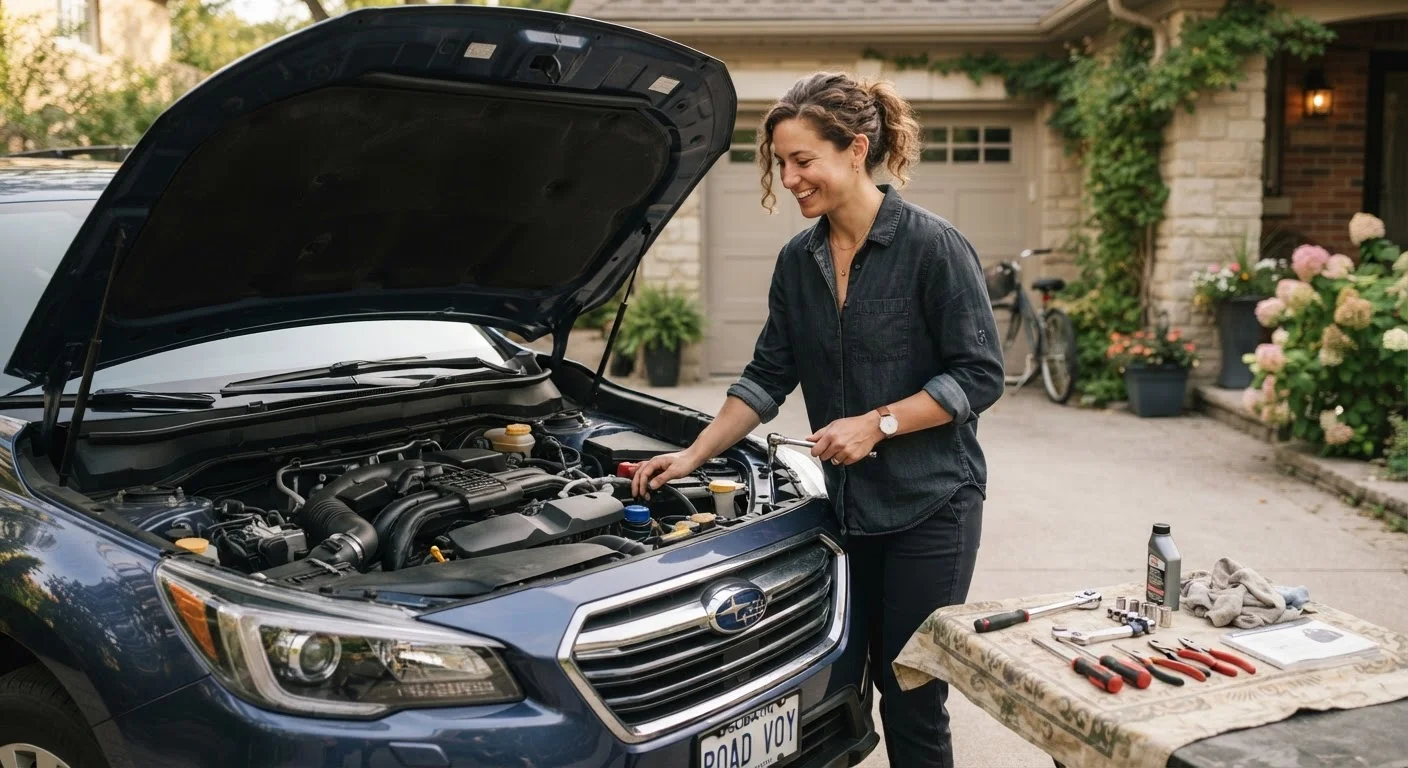
Several routine maintenance tasks are designed to be owner-serviceable — meaning manufacturers expect non-mechanics to perform them. These jobs typically require minimal tools, carry low risk of injury, and are well-documented in your vehicle's owner's manual.
- Cabin air filter replacement: Usually accessible behind the glove box or under the dashboard. No special tools needed, and most filters slide in and out in under five minutes.
- Windshield wiper blades: Most wiper arms use a simple clip mechanism. Replacement blades include instructions, and the job is done in minutes.
- Engine air filter: Located in a plastic housing under the hood, secured by clips or screws. Inspecting and replacing it is straightforward and covered in most owner's manuals.
- Battery terminal cleaning: Corrosion buildup on terminals can cause starting issues. Cleaning with a wire brush (with the vehicle off and precautions taken) is manageable for careful owners.
- Checking and topping off fluids: Windshield washer fluid, coolant overflow reservoir, and power steering fluid can typically be checked and filled without specialized knowledge — but always verify which fluid type your vehicle requires.
Reduces labor costs on simple, routine tasks
Tasks like replacing filters or wiper blades carry straightforward parts costs and no labor charge. For owners who perform these regularly, the savings accumulate meaningfully over time.
Builds genuine mechanical familiarity with your vehicle
Hands-on experience — even at a basic level — helps owners notice when something looks or sounds unusual, which can lead to earlier detection of developing problems.
Many beginner tasks are low-risk and well-documented
Owner's manuals and manufacturer resources cover a range of routine tasks in clear detail, reducing the guesswork involved in straightforward maintenance.
Flexible scheduling with no appointment needed
Handling simple tasks at home means you're not waiting for a shop opening, which can be especially useful for minor but inconvenient issues like a burned-out license plate bulb.
Empowers owners to evaluate professional repair estimates
Understanding what a repair involves — even without doing it — gives you context to assess whether a quoted price and scope of work are reasonable.
Always cross-reference any online tutorial with your owner's manual. Procedures can vary significantly between makes and model years.
Repairs Best Left to a Qualified Mechanic
Some repairs look approachable but involve real hazards — either to your safety or to the long-term health of your vehicle. The consequences of errors in these areas range from costly to dangerous.
Mistakes on safety systems can have serious consequences
Brake pads, rotors, and calipers are frequently attempted DIY jobs, but errors in reassembly or torque specifications can compromise stopping power. This is one area where professional work is strongly advisable.
Specialized tools are often required and overlooked
Many repairs that seem simple require torque wrenches, specialized sockets, or OBD-II scan tools. Attempting the job without the right equipment can strip fasteners or leave work improperly completed.
Incorrect work may void warranty coverage
For vehicles still under manufacturer or extended warranty, improperly performed repairs or the use of non-approved parts can complicate or void warranty claims. Always verify coverage terms before proceeding.
Electrical and fuel system repairs carry real hazards
Working on fuel lines, injectors, or electrical systems without proper training risks fire, shock, or toxic exposure. These systems require specific knowledge of depressurization and safety procedures.
Airbag and SRS components must never be DIY-serviced
Supplemental Restraint System (SRS) components — including airbags and seatbelt pretensioners — can deploy unexpectedly if handled incorrectly, causing serious injury. These repairs require certified technicians.
Time and rework costs can exceed professional labor savings
A repair that takes a novice several attempts may consume more time and materials than the original labor estimate. Partially completed repairs left unfinished overnight can also expose components to weather or damage.
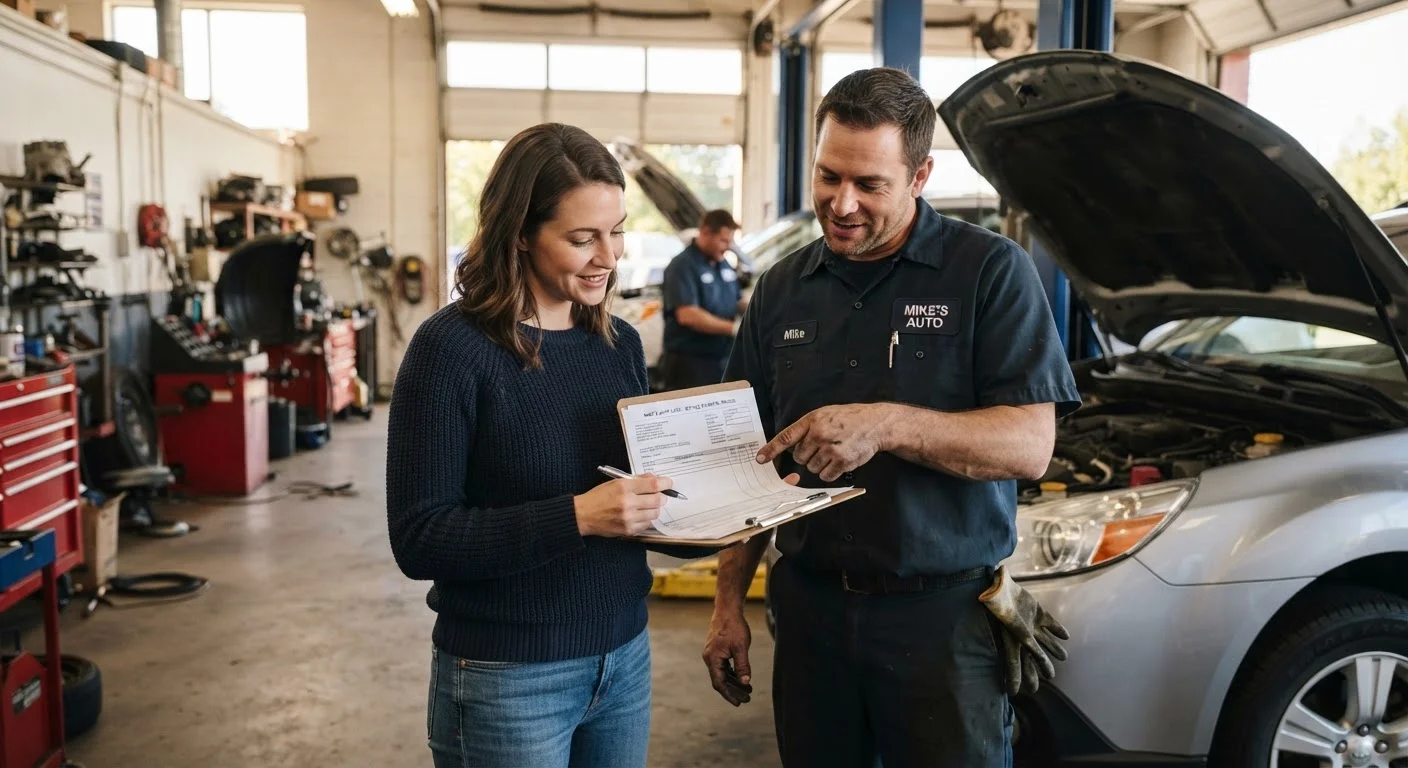
If you're handed a repair estimate after a shop inspection and aren't sure what you're looking at, our field guide to reading repair estimates can help you understand what you're being charged for and what questions to ask.
How to Assess Any Repair Before Starting
Your Owner's Manual Is Your Best Starting Tool
Before consulting any online video or forum, open your vehicle's owner's manual. It specifies which fluids your car requires, recommended service intervals, and which components are accessible to owners. Generic tutorials may not account for differences between trim levels, model years, or engine configurations. The manual is the one source that's actually written for your specific vehicle.
Before committing to a DIY repair, run through a quick self-assessment:
- Read the procedure fully first. Don't start until you've read through every step, including what could go wrong and what tools are required.
- Check your owner's manual. Manufacturer guidance takes priority over generic tutorials. It's specific to your vehicle's design.
- Identify the stakes. Ask yourself: if I make a mistake here, what breaks? If the answer involves braking, steering, airbags, or the fuel system, reconsider.
- Assess your tools honestly. Many DIY failures happen because a job requires a specialized socket, torque wrench, or scan tool that the owner didn't have.
- Factor in time. A repair that takes a shop 45 minutes may take a first-timer several hours. Incomplete work left overnight can expose components to damage.
For guidance on what to expect when you do visit a shop, our article on getting the most out of a mechanic visit offers practical advice on how to engage constructively without feeling pressured. It's also worth reviewing common car repair myths — some assumptions about DIY savings don't hold up under scrutiny.
Understanding the basics of what a repair involves — even when you're not doing it yourself — puts you in a much stronger position as a car owner. Explore the full range of essential maintenance tasks every owner should know.