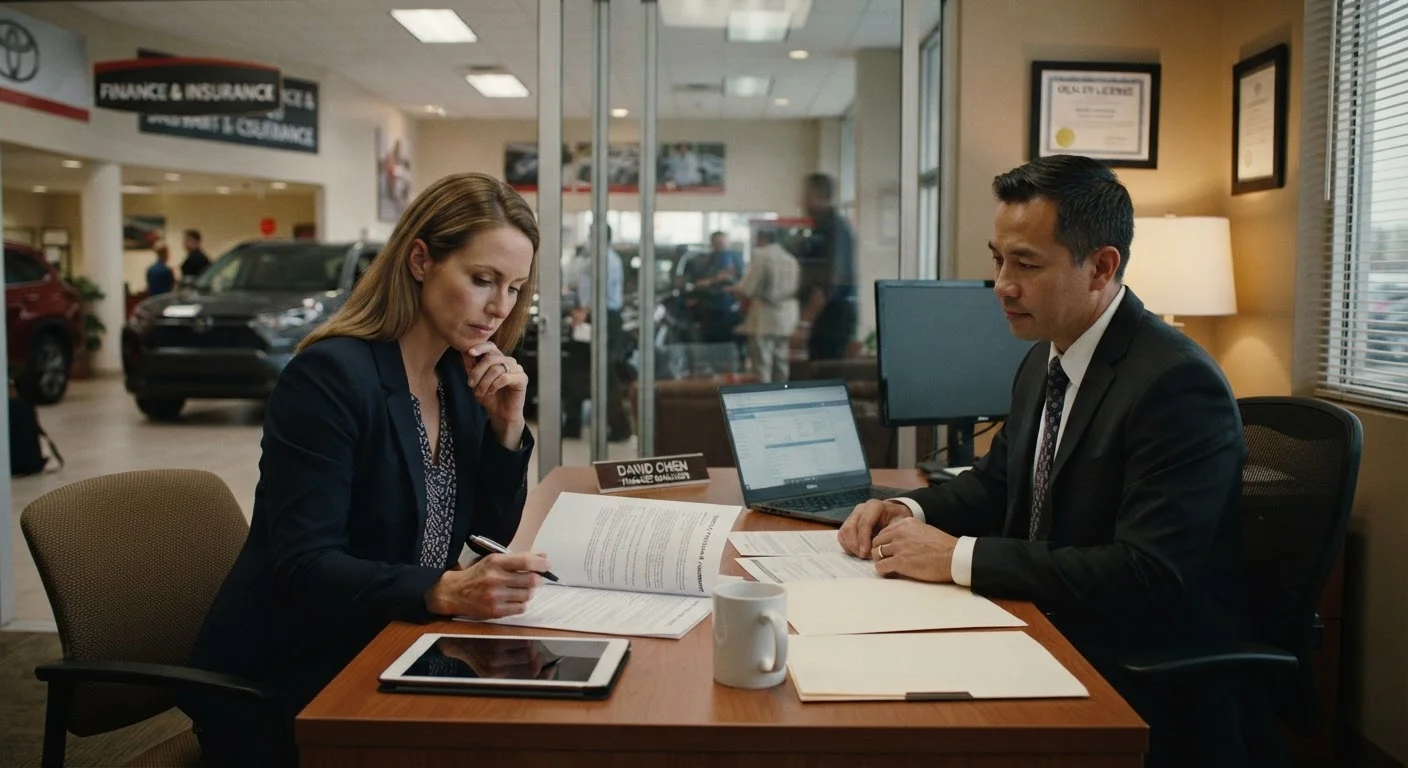
How Spot Delivery Works at the Dealership
When you complete paperwork at a dealership, it can feel like the deal is done. You sign documents, hand over a down payment, possibly trade in your old car, and drive away in the new one. But in many spot delivery situations, the financing portion of that agreement is still pending behind the scenes.
Here's what actually happens: the dealer submits your loan application to one or more lenders after you leave the lot. If a lender approves it on the same terms you agreed to, nothing changes. The problem arises when lenders come back with different terms - or decline the application entirely - and the dealer contacts you to renegotiate.
This practice isn't inherently deceptive. Dealers frequently process same-day transactions and submit financing paperwork in bulk. The issue is when buyers aren't clearly told that their deal is conditional. See our guide to auto loan mechanics for a breakdown of how lender approval actually works once a dealer submits your application.
Ask One Simple Question Before You Drive Away
Before leaving the dealership with a vehicle, ask the finance manager: 'Is this loan fully and unconditionally approved by the lender right now?' A straightforward yes should be supported by documentation. If the answer involves any hesitation or conditional language, consider waiting at the dealership until written confirmation is in hand.
What Makes Yo-Yo Financing Problematic
The consumer harm in yo-yo financing typically unfolds in a predictable pattern. You've driven the car home, possibly returned your old vehicle as a trade-in, and settled into thinking the deal is complete. Then the dealer calls - sometimes days later - saying the lender requires a higher interest rate, a larger down payment, or a shorter loan term to approve the loan.
At that point, many buyers feel trapped. They've already emotionally committed to the car, may have told family and friends about it, and no longer have their trade-in vehicle available. Dealers who use yo-yo tactics rely on this psychological pressure to get buyers to accept terms they might have rejected in a calmer negotiating environment.
Consumer advocates note that this practice disproportionately affects buyers with non-prime credit scores, who may already have limited financing options and feel they have little room to push back. Understanding payment strategies and financing options before you walk into a dealership can significantly shift that power dynamic in your favor.
1 in 4
Car buyers who report feeling pressured during financing
Consumer surveys conducted by automotive research organizations have consistently found that a significant share of buyers feel pressure during the F&I (finance and insurance) process at dealerships.
3-5 days
Typical window for yo-yo call-backs
Consumer protection advocates note that dealers typically contact buyers within three to five business days of delivery if lender terms change - though timeframes vary by state and contract.
How to Protect Yourself Before and During the Deal
Your best protection starts before you set foot on the lot. Arranging financing through your own bank or credit union gives you a confirmed loan offer independent of the dealer. You can still allow the dealer to try to beat that rate - but you have a fallback that doesn't leave you exposed to conditional approval risk.
When you're at the finance office, ask point-blank: Is this financing fully approved and unconditional? Review the contract line by line for phrases like "subject to financing," "conditional upon lender approval," or similar language. Our finance agreement review checklist walks through exactly what to look for before you commit.
If the deal is conditional, consider waiting at the dealership until firm lender approval is confirmed in writing - or be fully prepared to return the vehicle if called back. Also document your trade-in's condition and confirm in writing what happens to it if the deal unwinds. Buyers who understand their rights are far less susceptible to pressure tactics. See why used car deals fall apart for a broader look at how financing surprises derail purchases.
Your Rights If You're Called Back
If a dealer contacts you with revised loan terms, you are not legally obligated to accept them in most situations. You have the right to return the vehicle. If you do, the dealer is generally required to return your trade-in and any down payment you made - in the same condition they received them.
Before accepting revised terms, consider whether the new offer still makes financial sense. Run the numbers on the new payment, total loan cost, and interest rate. A small rate change can add hundreds of dollars over the life of a loan. If you believe the dealer misrepresented the finality of the deal, contact your state's attorney general's consumer protection division or a consumer law attorney. Several states have passed laws specifically regulating conditional delivery disclosures, and enforcement has increased in recent years.
Whether you're evaluating a new or used vehicle purchase, understanding the financing process from the start is essential - explore the new vs. used car tradeoffs hub for context on how financing dynamics differ between vehicle types.
This article is for general informational and educational purposes only. It does not constitute legal or financial advice. For questions about your specific contract or rights under your state's laws, consult a qualified attorney or your state's consumer protection office.