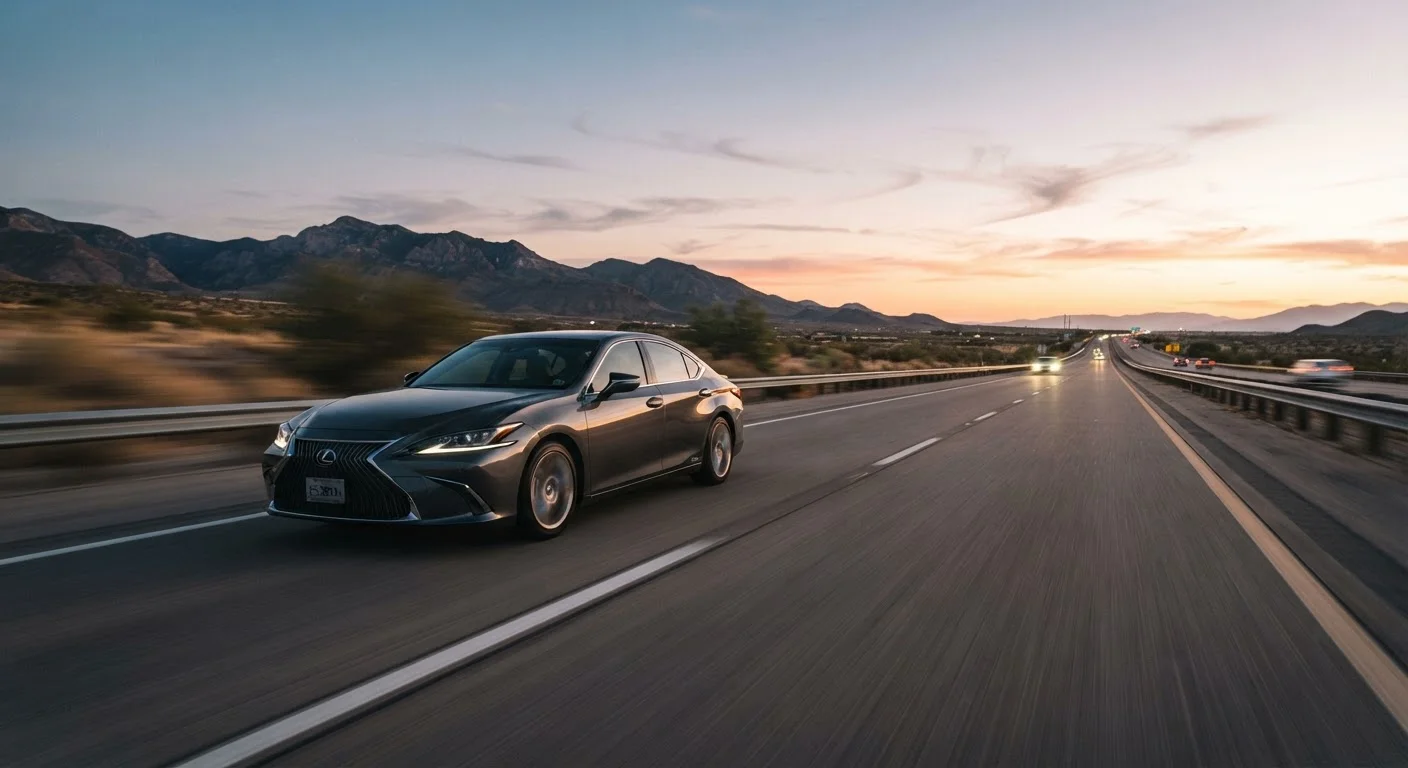
How a Hybrid System Actually Distributes Power
To understand the motorway efficiency drop, it helps to know how a hybrid powertrain divides work between its two energy sources. In a full hybrid, a gasoline engine and one or more electric motors work in tandem, managed by a control system that decides which source - or combination - propels the vehicle at any given moment.
At low speeds and light loads, the electric motor often handles propulsion alone, burning no fuel at all. During moderate acceleration, both sources combine. When the driver demands maximum power - such as during highway merging - the gasoline engine takes the dominant role. Crucially, when the vehicle decelerates or brakes, the electric motor runs in reverse as a generator, converting kinetic energy back into electricity and storing it in the battery. This process is called regenerative braking.
Mild hybrid, full hybrid, and plug-in hybrid systems each manage this energy split differently, but all share the same fundamental dependency: electric assist is most valuable when driving conditions generate frequent energy recovery opportunities.
Why Constant Highway Speed Undermines Electric Assist
Motorway driving is characterized by sustained, relatively constant speeds - often 65 to 80 mph. This creates two conditions that work against a hybrid's efficiency strengths.
First, aerodynamic drag increases sharply with speed. The power required to push a vehicle through air rises roughly with the cube of velocity, meaning the engine must work significantly harder at 75 mph than at 40 mph. This sustained load is best handled by the gasoline engine, which is sized for this purpose.
Second, regenerative braking rarely activates. On an open highway, drivers maintain speed for long stretches with few braking events. Without deceleration, the battery receives little recharge, and the electric motor has limited stored energy to draw from. The control system increasingly relies on the gasoline engine - essentially running the hybrid like a conventional car with an extra battery along for the ride.
This dynamic is why official fuel economy ratings can look misleading. Combined ratings blend city and highway cycles, and the city portion often flatters hybrids considerably. See our explainer on what official fuel economy figures leave out for a fuller picture of how those numbers are constructed.
~20-30%
Typical hybrid efficiency advantage in city vs. highway
Industry analysis of EPA city vs. highway ratings for full hybrids consistently shows the city efficiency advantage over gasoline equivalents is substantially larger than the highway advantage.
3×
Rate at which aerodynamic drag power demand rises with speed
Aerodynamic drag force increases with the square of speed, and the power needed to overcome it rises roughly with the cube - a core reason sustained highway driving favors gasoline engines over electric assist.
20-50 mi
Typical PHEV electric-only range before gasoline takeover
Most plug-in hybrids currently available in the US offer roughly 20 to 50 miles of EPA-estimated all-electric range, after which the gasoline engine becomes the primary power source.
Plug-In Hybrids: An Additional Consideration on Long Trips
Plug-in hybrids (PHEVs) carry a larger battery than standard hybrids, enabling meaningful all-electric driving for typical daily commutes - often 20 to 50 miles per charge depending on the model. In city driving on electric-only mode, fuel consumption can be dramatically low.
On a long motorway trip, however, two factors compound the efficiency challenge. Once the PHEV exhausts its electric range, it transitions to operating as a conventional hybrid or pure gasoline vehicle. At that point, it is carrying the weight of a large battery pack that is no longer contributing meaningfully to efficiency. The result can be highway fuel economy that trails a comparable non-plug-in hybrid.
For buyers who primarily drive long highway distances and rarely plug in, a PHEV's efficiency advantages may not materialize in practice. A practical assessment of hybrids on long road trips covers these trade-offs in more detail.
What This Means When Comparing Vehicles
Understanding this dynamic should directly inform how you evaluate hybrid fuel economy claims against your own driving habits. A hybrid rated at 52 mpg combined may realistically deliver 58-62 mpg in city conditions and 42-46 mpg on sustained highway runs - a range that varies by model, aerodynamics, vehicle weight, and driving style.
Official spec-sheet figures are tested under controlled conditions that don't reflect individual driving patterns, load, climate, or terrain. If your commute is predominantly highway, comparing a hybrid's highway-specific EPA rating against a gasoline alternative gives a more honest picture than the combined figure.
For a broader look at how hybrid powertrains compare to gasoline and fully electric options across running costs and real-world usability, see our overview of choosing the right powertrain for your situation.
Match Your Powertrain to Your Actual Routes
Before buying a hybrid, estimate what share of your driving is urban versus highway. If more than 60-70% of your mileage occurs at sustained speeds above 60 mph, review the vehicle's highway-specific EPA rating rather than the combined figure. That single number will give you a more accurate basis for comparing real-world fuel costs against gasoline alternatives.