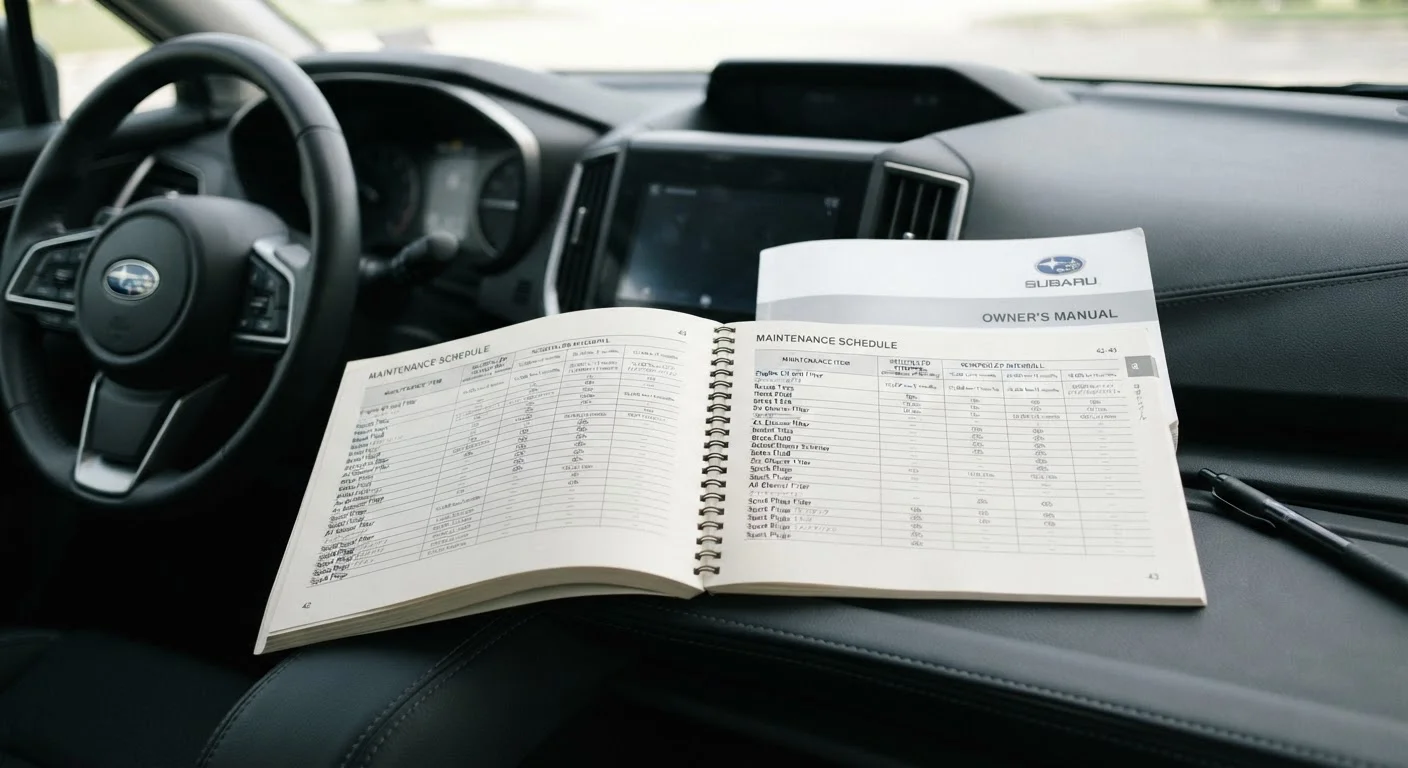
What a Maintenance Schedule Actually Is
A maintenance schedule is not a list invented by repair shops to generate business. It is an engineering-based document created by your vehicle's manufacturer, specifying exactly when components need attention to keep the car operating safely and reliably. Think of it as a care plan written by the people who built the machine.
The schedule is found in your owner's manual — the single most authoritative source for your specific vehicle. It accounts for your engine type, drivetrain, and design tolerances in ways that no generic checklist can replicate. If you've misplaced your manual, most automakers make this information available through their official websites or dealership service departments.
If you're new to vehicle ownership and want broader context on what routine upkeep involves, A Beginner's Map to Car Maintenance is a useful starting point before diving into specific intervals.
How Intervals Work: Mileage, Time, and Driving Conditions
Most maintenance tasks are tied to one of two triggers: mileage accumulated or time elapsed — whichever comes first. A common example is an oil change recommended every 7,500 miles or 12 months. A driver who covers only 4,000 miles in a year still needs that oil change at the 12-month mark, because oil degrades chemically over time regardless of use.
Equally important is understanding the distinction between normal and severe driving conditions. Most owners assume they fall into the normal category, but severe conditions are more common than the label implies. Frequent short trips, extended idling, extreme temperatures, towing, and dusty environments all qualify. Under severe conditions, many intervals shorten noticeably — sometimes by half.
35%
Of drivers who skip oil changes risk engine damage
Industry estimates suggest a significant proportion of vehicle breakdowns are tied to neglected fluid maintenance, with engine oil being among the most commonly deferred services.
2x
Shorter intervals under severe driving conditions
Many manufacturer severe-condition schedules reduce standard service intervals by approximately half, reflecting the increased stress placed on components in demanding operating environments.
Seasonal Car Maintenance: What Changes and What Stays the Same explores how temperature extremes affect specific service needs throughout the year.
Key Services and Why Each One Matters
Understanding what each service actually does makes it easier to prioritize and explain to a mechanic. Here are the core categories found in most schedules:
- Engine oil and filter: Oil lubricates moving engine components and carries away heat and contaminants. Degraded oil loses viscosity and protective properties, leading to accelerated wear.
- Tire rotation: Tires wear unevenly based on their position. Regular rotation extends overall tire life and maintains balanced handling.
- Air filter (engine and cabin): The engine air filter protects internal components from debris; the cabin filter affects air quality inside the vehicle. Both degrade over time and affect performance when clogged.
- Brake inspection: Brake pads, rotors, and fluid are safety-critical. Scheduled inspections catch wear before it becomes dangerous or causes damage to more expensive components.
- Coolant flush: Coolant prevents engine overheating and corrosion. Over time, its additives break down, reducing its effectiveness.
- Transmission fluid: Often overlooked, transmission fluid lubricates and cools internal components. Neglecting it is among the more costly maintenance mistakes owners make.
- Spark plugs: Worn plugs reduce fuel efficiency, cause rough idling, and can trigger engine misfires. Most modern plugs last significantly longer than older designs, but they still have a finite service life.
Before your next shop visit, Getting the Most Out of a Mechanic Visit Without Overcommitting to Repairs can help you go in prepared and evaluate recommendations clearly.
Tracking Your Schedule and Protecting Your Investment
Knowing the schedule is one step; staying on top of it is another. A reliable maintenance log — whether a physical folder of receipts, a spreadsheet, or a dedicated app — gives you a clear picture of what has been done and what is coming due. This record also matters at the time of sale: documented service history is one of the few concrete ways to support a used vehicle's asking price.
Building a Maintenance Log for Your Vehicle walks through exactly how to set one up, including what information to capture for each service entry.
If your vehicle has an onboard maintenance reminder system, use it — but understand its limits. These systems typically track mileage and sometimes oil life through sensor data, but they may not account for every item on your full schedule. Cross-referencing with the owner's manual remains the most reliable approach.
This article provides general educational information about vehicle maintenance schedules. Always consult your owner's manual and a qualified mechanic for guidance specific to your vehicle.